
Varicose Veins:
Understanding the Condition
Varicose veins are a common condition affecting the veins, most often in the legs. For some people, they are mainly a visible change. For others, they may be associated with discomfort, swelling or changes in the skin.
Understanding how the condition can develop and knowing which changes deserve medical attention can help you make informed decisions about your health.
Varicose Veins Are More Than a Visible Vein
Visible, enlarged veins are often the first thing people notice. However, the appearance of a vein does not always tell you how significant the underlying vein problem is.
Some people have prominent veins with little or no discomfort, while others experience symptoms that affect standing, walking, work or everyday activities.
This is why the decision to seek medical advice should not be based only on appearance.
How Varicose Veins Can Affect Everyday Life
The effect of varicose veins can vary from person to person.
Some people may notice:
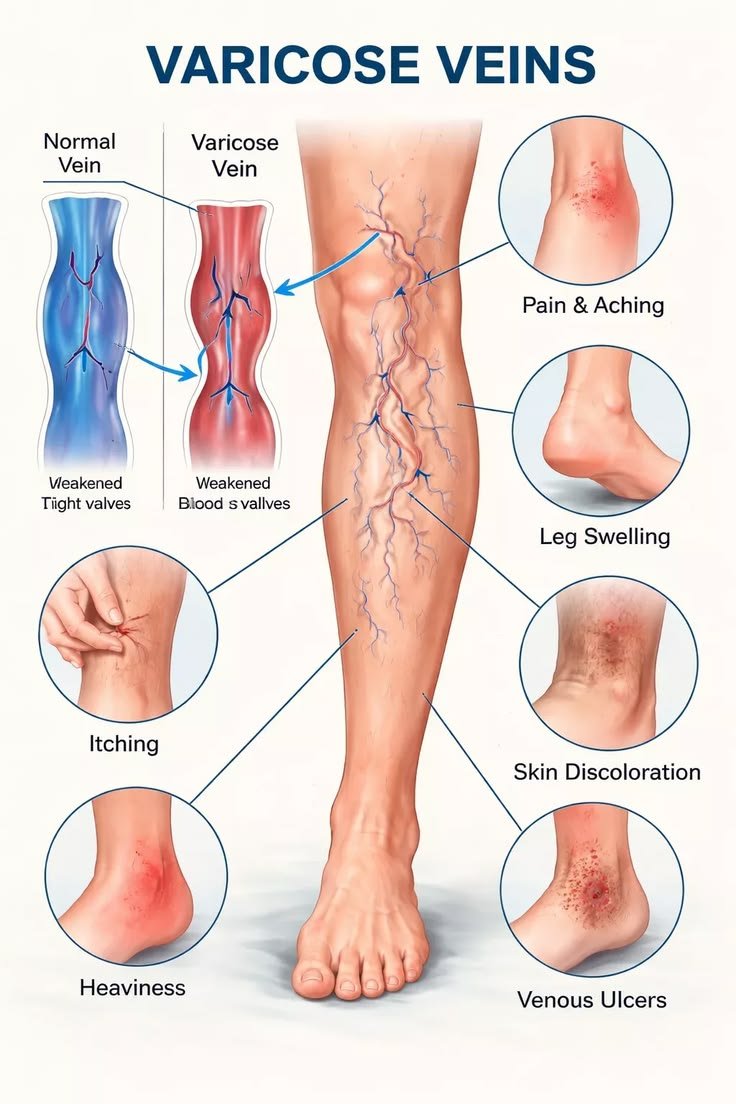
- A feeling of heaviness in the legs
- Discomfort after prolonged standing
- Swelling that becomes more noticeable later in the day
- Itching or irritation around affected areas
- Changes in the appearance or condition of the skin
- Concern about gradually increasing vein changes
For some individuals, these changes may remain mild. In others, they may become increasingly troublesome over time.
The important point is to consider how the condition is affecting you, rather than judging its severity only by how visible the veins appear.
Other Treatments
Fully equipped advanced Hospitals conveniently located in Coimbatore and Madurai.
Take the First Step to Better Health Today
Trusted medical support with compassionate care for you and your family.
Do Varicose Veins Always Get Worse?
Not necessarily.
Varicose veins can remain relatively stable for some people, while others may experience gradual progression over time. The course can vary according to the underlying venous problem and individual factors.
Changes such as increasing discomfort, swelling, skin problems or a wound around the lower leg should not simply be ignored.
A clinical assessment can help determine whether the changes are related to venous disease and whether further management is appropriate.
When a Visible Vein Deserves More Attention
A visible vein does not automatically mean that treatment is required.
However, medical evaluation becomes more important when you notice changes such as:
- Persistent or increasing leg discomfort
- Recurrent swelling
- Skin colour or texture changes
- A sore that does not heal normally
- A hard or painful vein
- Bleeding from a varicose vein
- Symptoms that increasingly interfere with daily activities
Varicose Veins and Skin Changes
Long-standing venous problems can sometimes affect the skin around the lower leg.
You may notice changes such as:
Darker or altered skin colour
Itching
Dry or irritated skin
Swelling
Changes in skin texture
A wound that takes longer to heal
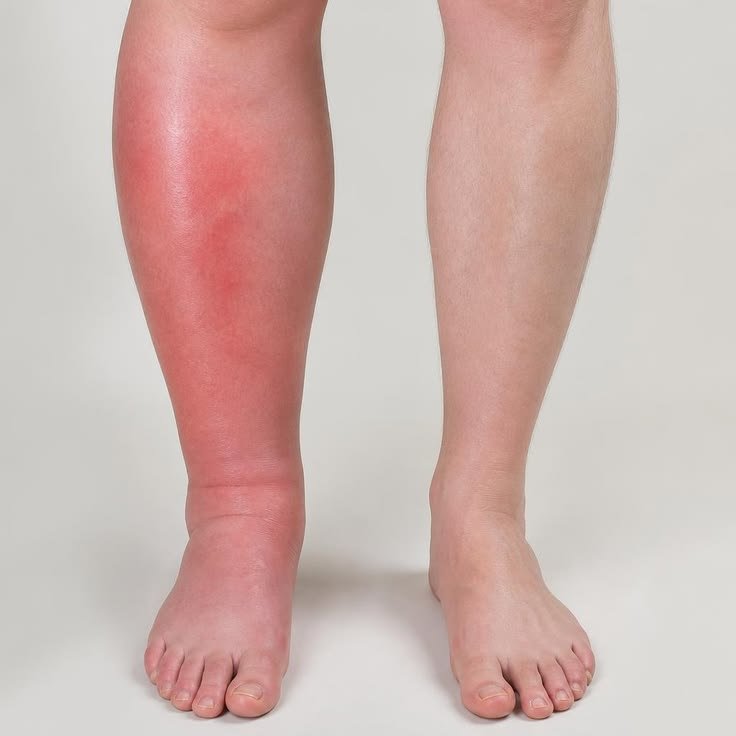
Varicose Veins and Leg Swelling
Swelling can have many different causes, so it should not automatically be attributed to varicose veins.
When swelling occurs together with visible varicose veins, heaviness or other venous symptoms, a medical assessment can help determine whether the veins are contributing to the problem.
Sudden or severe swelling, particularly when accompanied by significant pain, redness, warmth or breathing difficulties, requires urgent medical assessment rather than assuming it is caused by ordinary varicose veins.
Varicose Veins
Daily Activities
People whose work or routine involves spending long periods on their feet may notice that leg discomfort becomes more noticeable toward the end of the day.
Similarly, remaining in one position for extended periods may make some symptoms more troublesome.
Regular movement and avoiding unnecessarily prolonged periods of standing or sitting can be useful for general leg circulation and symptom management. NHS guidance also recommends regular physical activity and avoiding prolonged standing or sitting where possible.
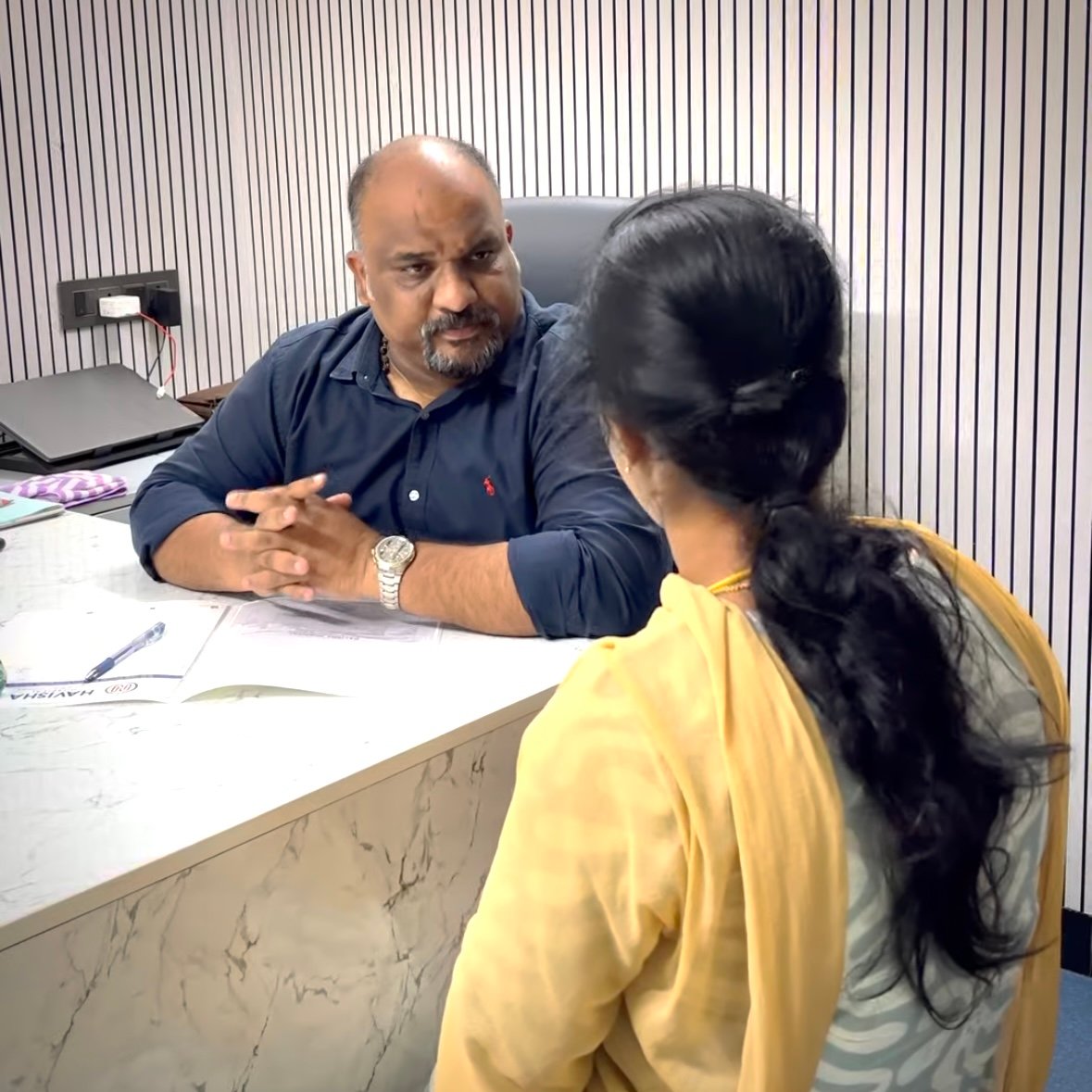
When Should You Seek Medical Advice?
Consider medical evaluation if your vein-related symptoms are persistent, worsening or interfering with everyday activities.
You should seek prompt medical attention if a varicose vein bleeds.
A non-healing sore, significant skin changes or a hard, painful vein should also be medically assessed rather than managed solely at home.
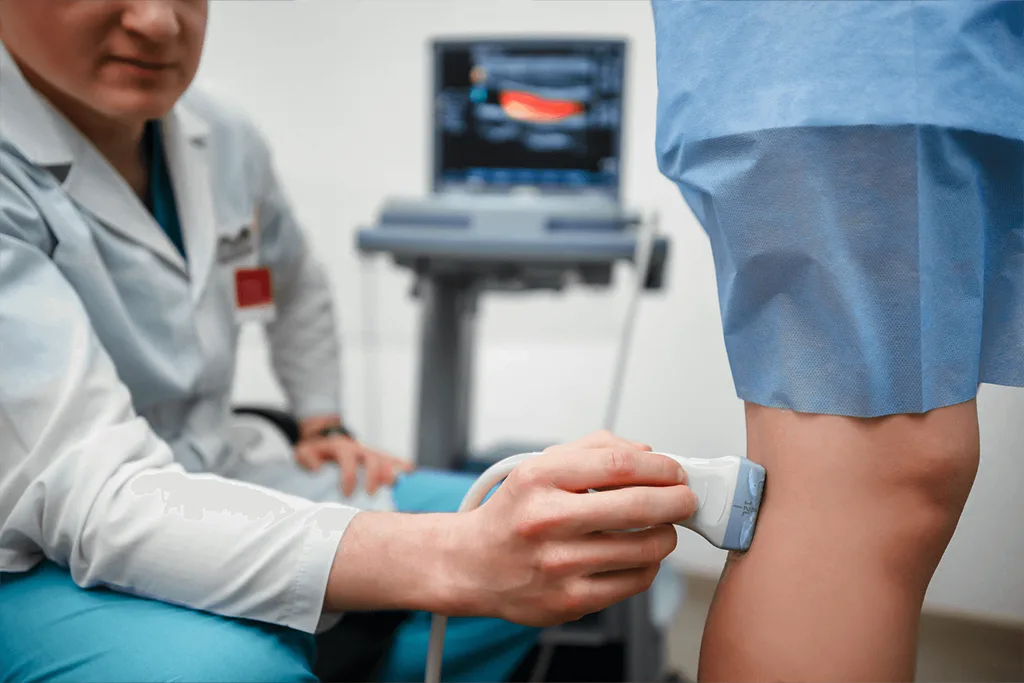
When a vascular assessment is required, duplex ultrasound can be used to examine blood flow and help understand the underlying venous problem and plan appropriate care.
Why Treatment Is Not the Same for Everyone
There is no single approach that is appropriate for every person with varicose veins.
Management depends on factors such as:
Your symptoms
The veins involved
Clinical findings
The presence of complications
Results of any appropriate
vascular assessment
Your individual circumstances
Where intervention is appropriate, a specialist can discuss the available options, expected benefits and possible risks.
This is why treatment should follow proper assessment rather than choosing a procedure based only on advertisements or the appearance of the veins. NICE recommends discussing treatment options, benefits and risks with patients as part of informed decision-making.
FAQs
Quick Answers to Common Health Questions
Still Have Questions? Feel Free to Send Us A Message
Frequently Asked Questions: Varicose Veins
No. Many people with varicose veins do not develop serious complications. However, symptoms, progressive skin changes, ulcers, superficial vein thrombosis or bleeding should be medically assessed.
They can. Some people experience heaviness, aching, swelling or discomfort that becomes more noticeable after prolonged standing or toward the end of the day.
No. Treatment is not automatically required simply because a vein is visible. The need for treatment depends on symptoms, complications, clinical findings and individual circumstances.
Yes. Long-standing venous problems can sometimes be associated with changes such as altered skin colour, itching, dryness or other skin changes around the lower leg.
Not necessarily. If there are no troublesome symptoms, treatment may not be required, but changes such as swelling, skin problems, ulcers or bleeding should be evaluated.
Need an Evaluation?
If you are concerned about changes in your leg veins or symptoms associated with varicose veins,
a clinical assessment can help you understand what is happening and what your next step should be.