

Best Hernia Hospital in Coimbatore
Specialized Hernia Care and Minimally Invasive Surgery in Coimbatore
Havisha Hospital offers advanced hernia treatment in Coimbatore using minimally invasive laparoscopic techniques. Our expert surgeons specialise in inguinal, incisional, femoral, epigastric, and recurrent hernia repair — ensuring accurate diagnosis, reduced pain, and same-day discharge for most patients.
Advanced Hernia Treatment in Coimbatore – Havisha Hospital
The Advanced Hernia Clinic at Havisha Hospital provides comprehensive diagnosis, evaluation, and treatment for all types of hernias using modern surgical techniques and patient-centered care. Our clinic focuses on accurate diagnosis, minimally invasive surgery, faster recovery, reduced postoperative pain, and long-term prevention of recurrence.
A hernia occurs when an internal organ or tissue protrudes through a weak area in the muscle or abdominal wall. Hernias may gradually enlarge over time and can lead to pain, discomfort, bowel complications, and reduced quality of life if left untreated. Early medical evaluation and timely treatment are important to prevent complications.
At Havisha Hospital, we offer advanced open and laparoscopic hernia repair procedures tailored to each patient’s condition, lifestyle, and overall health.
Other Treatments
Fully equipped advanced Hospitals conveniently located in Coimbatore.
Take the First Step to Better Health Today
Trusted medical support with compassionate care for you and your family.
Preoperative and Postoperative Care
At Havisha Hospital, we emphasize complete perioperative care for optimal recovery.
Our Hernia Care Includes:
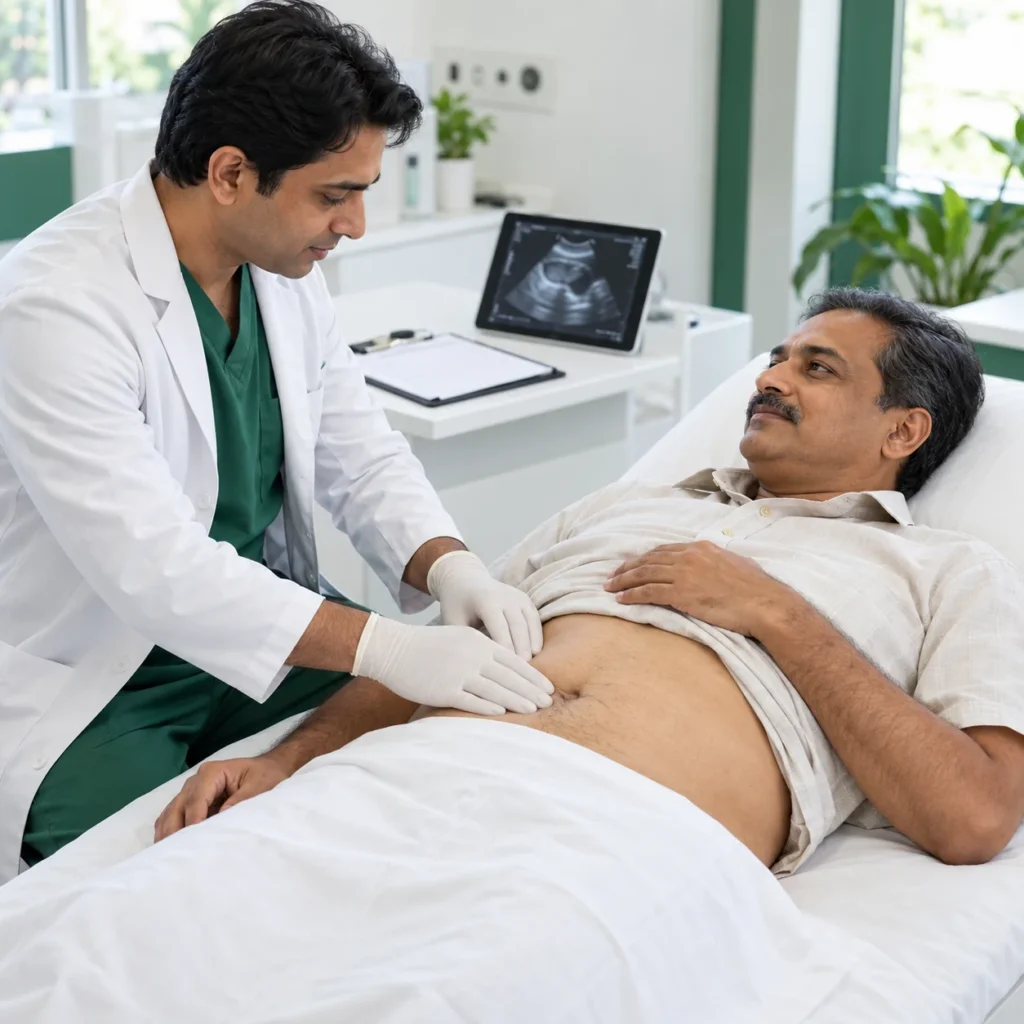
Detailed Preoperative Assessment
Reviewing your health, medical history and hernia to plan appropriate surgery.
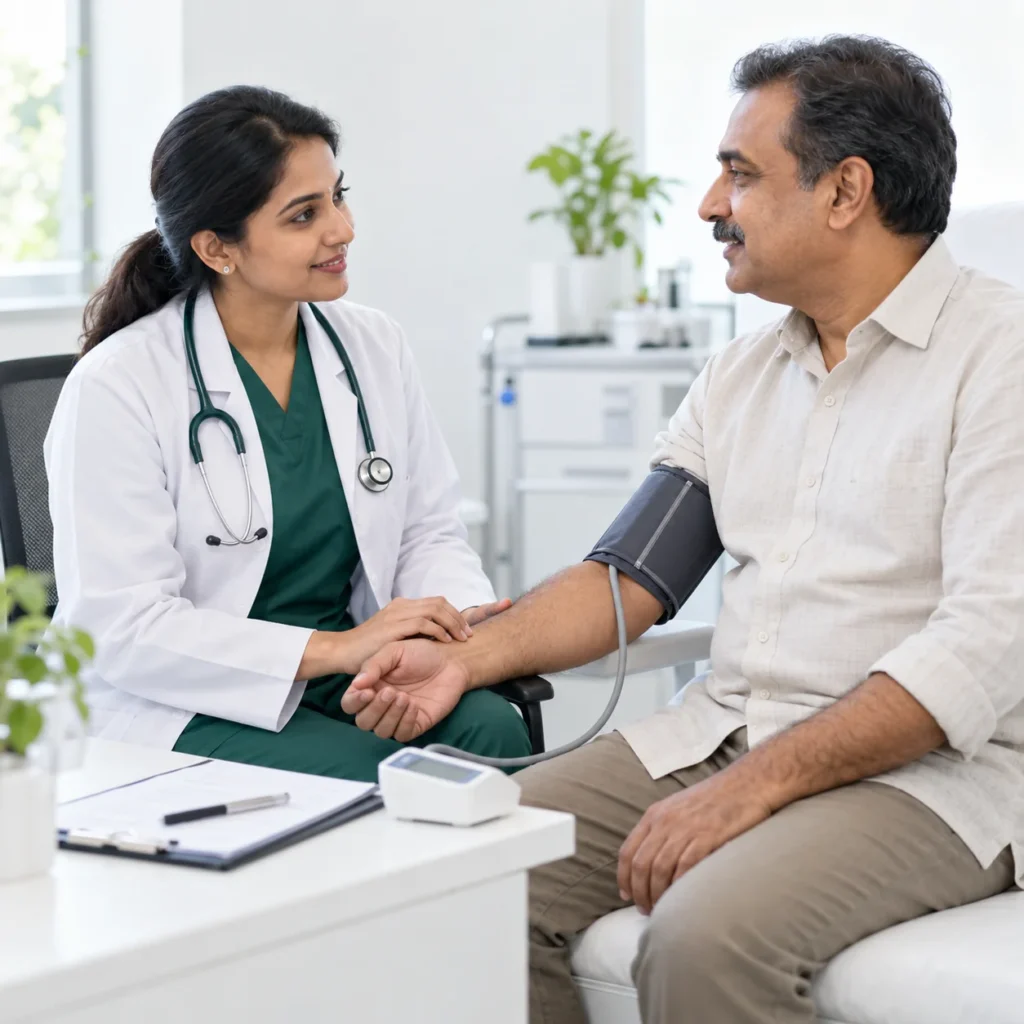
Anaesthesia Evaluation
Assessing your health to choose suitable anaesthesia for the procedure.
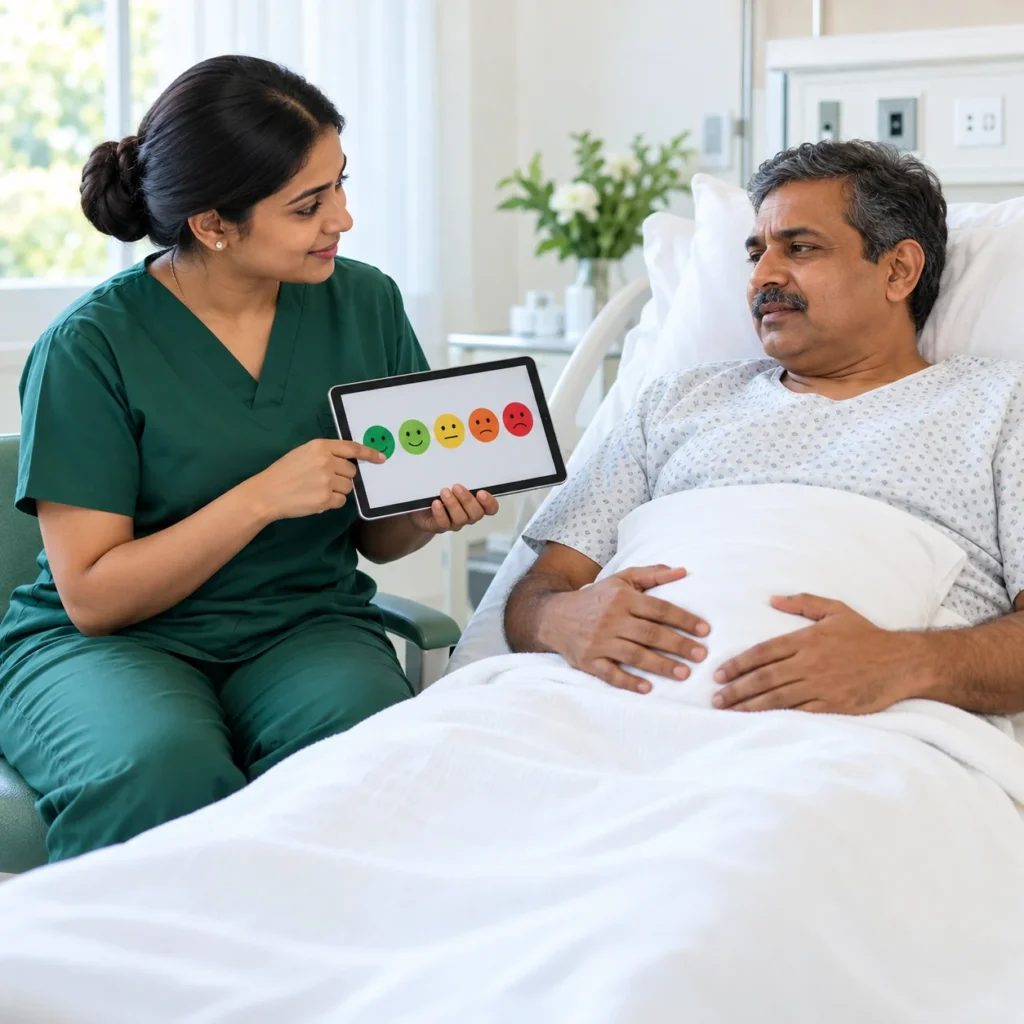
Pain Management
Providing appropriate pain relief to support comfort during recovery.

Early Mobilisation
Encouraging gentle movement when appropriate to support recovery after surgery.
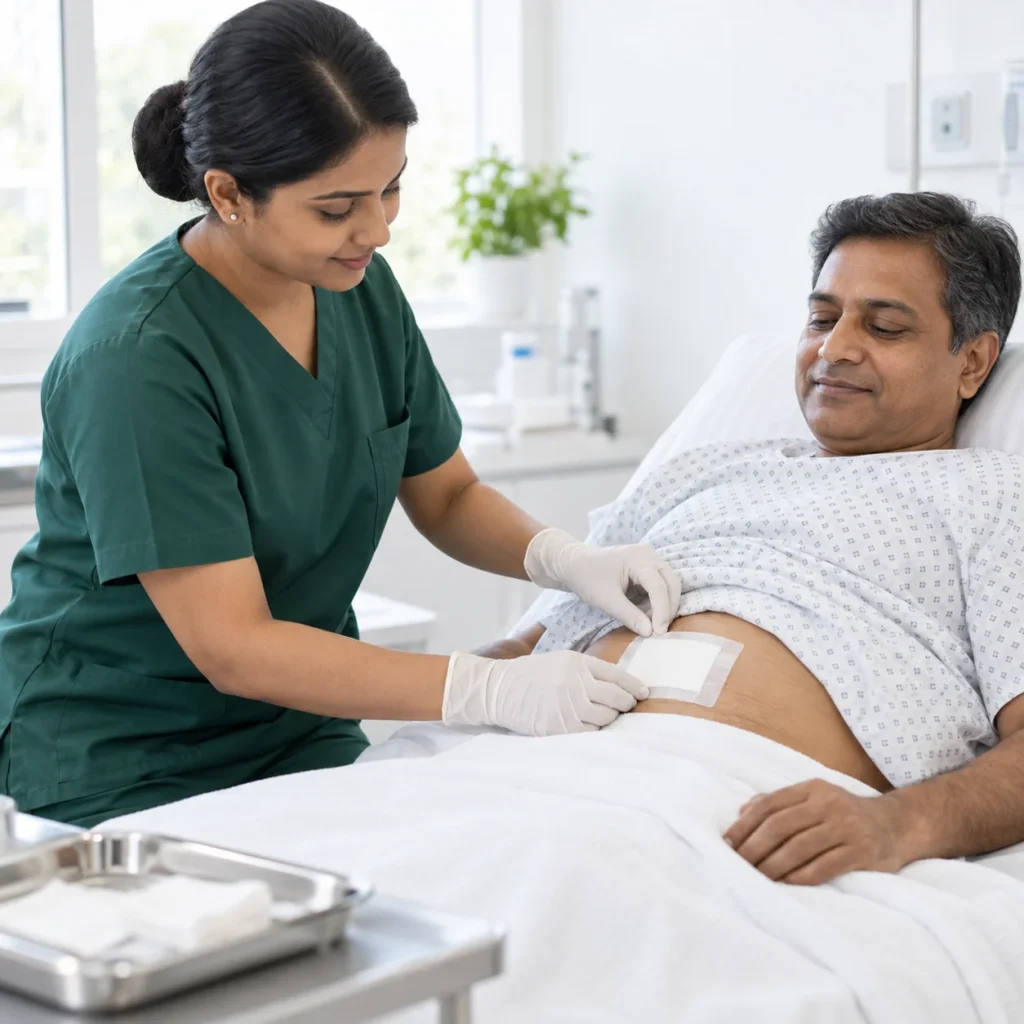
Wound Care
Providing wound care instructions and checking healing after surgery.
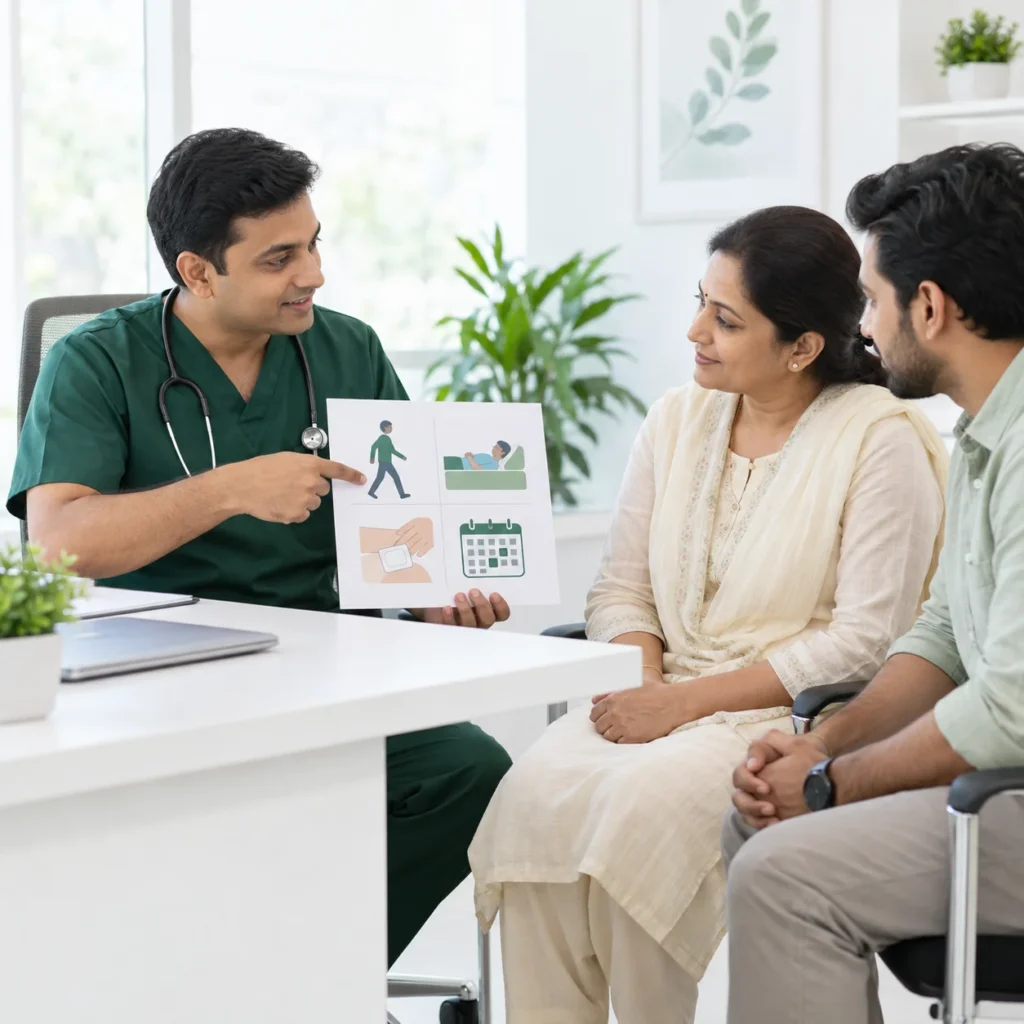
Recovery Guidance
Explaining when to resume daily activities, work and exercise.
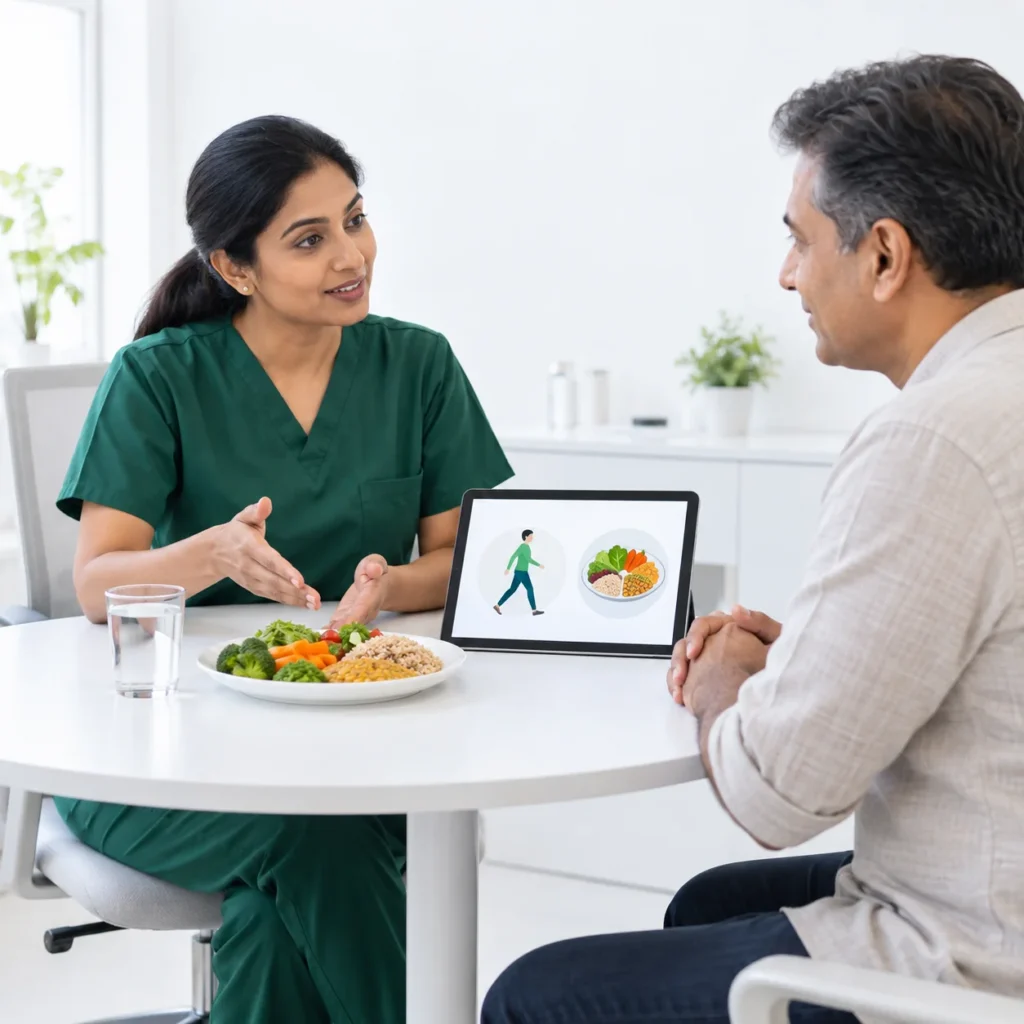
Lifestyle Modification Counselling
Offering guidance on weight management, constipation and safe lifting habits.

Long-Term Follow-Up
Reviewing recovery and checking for ongoing symptoms or hernia recurrence.
Comprehensive Surgical Care at Havisha Hospital
The Hernia Clinic at Havisha Hospital works closely with laparoscopic surgery, general surgery, diabetology, wound care, and anesthesia teams to provide safe and integrated surgical care.
Our patient-centered approach focuses on:
Accurate Diagnosis
Careful assessment to identify your hernia and guide treatment.
Modern Surgical Techniques
Appropriate surgical methods tailored to your hernia and health needs.
Faster Healing
Wound care and recovery guidance to support timely healing.
Reduced Recurrence
Appropriate repair and preventive guidance to lower recurrence risk.
Enhanced Recovery
Pain management and guided movement to support daily activities.
Improved Quality of Life
Care focused on improving comfort, mobility and everyday wellbeing.
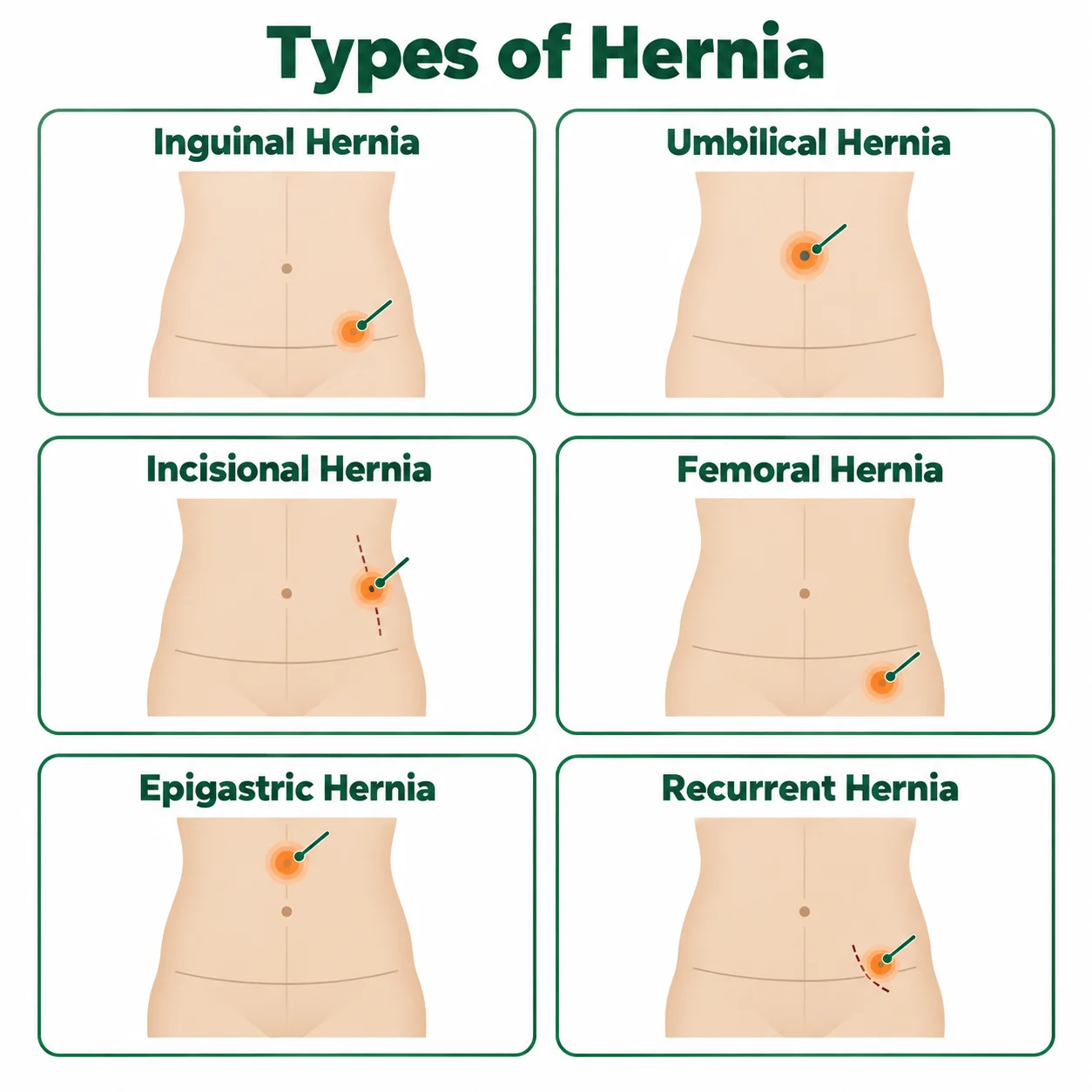
Types of Hernia We Treat
A hernia occurs when tissue or part of an organ pushes through a weakened area in the surrounding muscle or connective tissue, often creating a visible or noticeable bulge. The type of hernia is usually identified based on where it develops and whether it has occurred again after a previous repair. Common types include inguinal hernia, umbilical hernia, incisional hernia, femoral hernia, epigastric hernia, and recurrent hernia. Symptoms may vary depending on the type and size of the hernia, and some people may experience discomfort, pressure, or pain that becomes more noticeable during coughing, lifting, or physical activity. Early medical evaluation can help confirm the type of hernia and determine the most appropriate treatment approach.
Advanced Hernia Treatments at Havisha Hospital
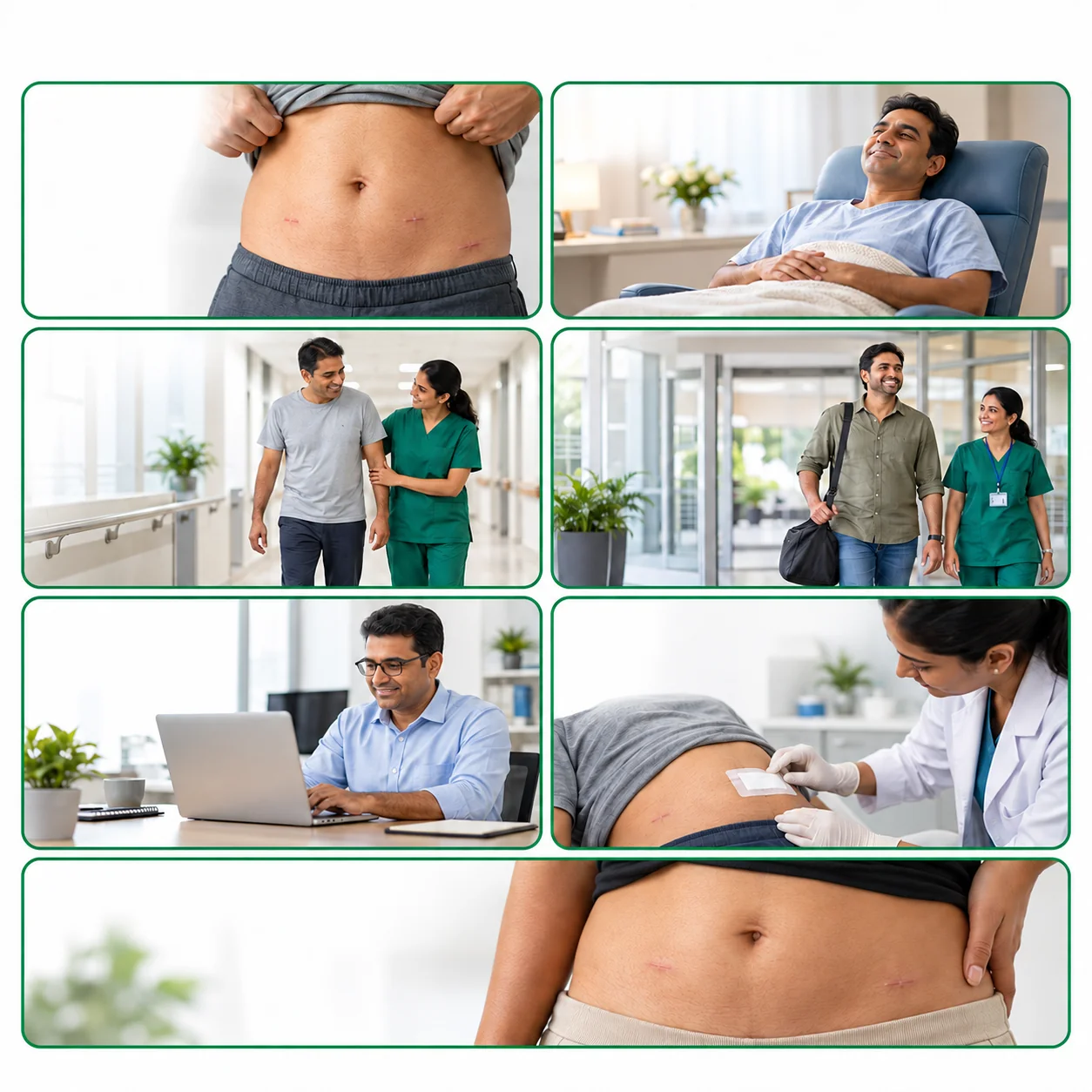
Laparoscopic hernia repair is a minimally invasive surgical technique performed through small incisions using a camera and specialised instruments to repair the weakened area. Compared with traditional open surgery, suitable patients may experience smaller scars, less postoperative discomfort, a shorter hospital stay, faster recovery, earlier return to routine activities, and a lower risk of wound-related complications. The minimally invasive approach may also provide a better cosmetic result because only small incisions are required.
Laparoscopic hernia surgery can be particularly useful in selected cases of bilateral hernia and recurrent hernia, where the surgeon may be able to assess and repair affected areas through the same minimally invasive approach. The most appropriate surgical method depends on the type, size and location of the hernia, previous surgery, symptoms, and the patient’s overall health, so specialist evaluation is important before deciding on treatment.
Symptoms That Need Hernia Evaluation
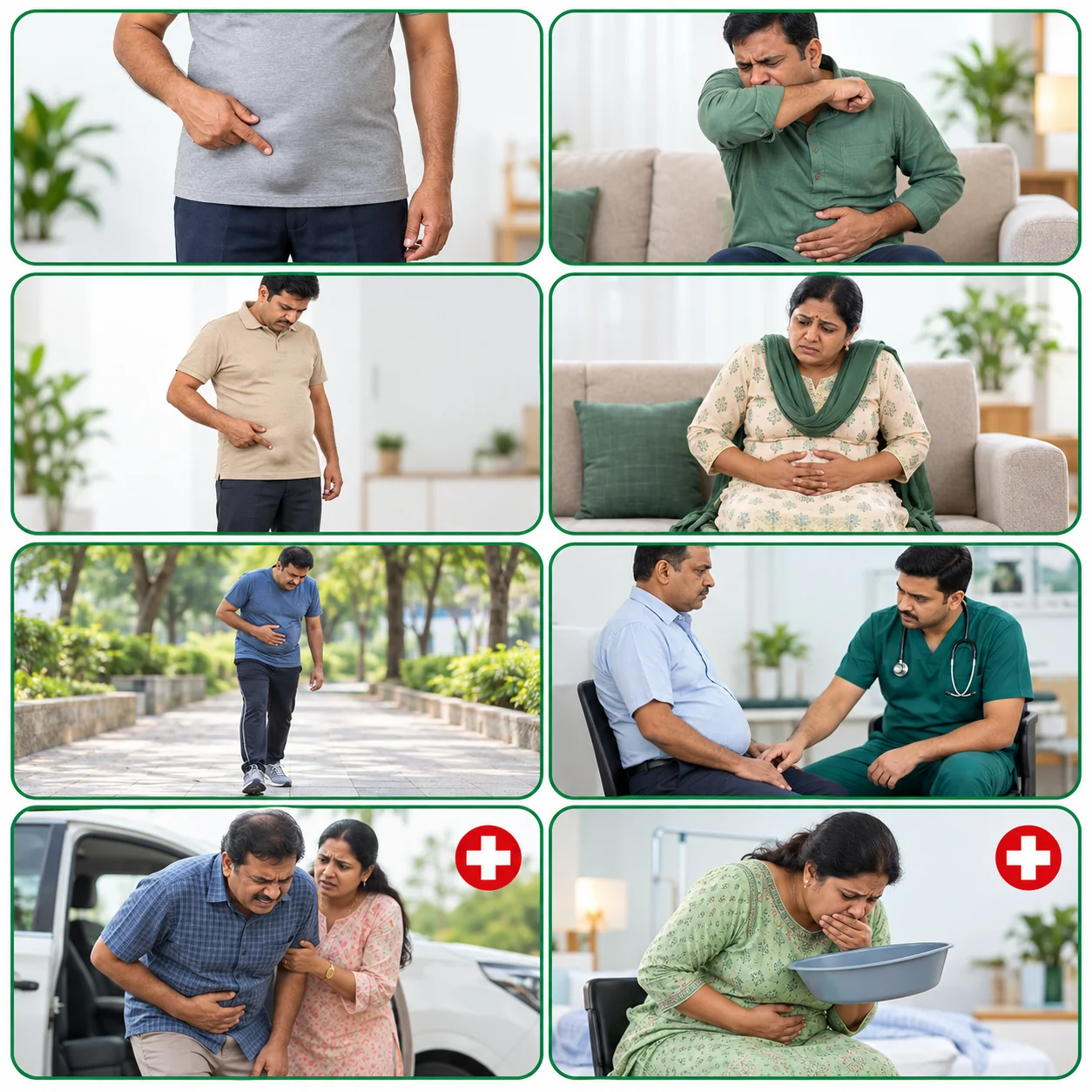
You should consider consulting a hernia specialist if you notice swelling or a bulge in the groin or abdomen, pain while lifting or coughing, a bulge that becomes more noticeable when standing, abdominal heaviness, discomfort during physical activity, or persistent swelling. Sudden painful swelling, especially when accompanied by nausea or vomiting, may require urgent medical attention because it can indicate a more serious hernia complication. Early evaluation helps confirm the type and severity of the hernia, guide appropriate treatment, and reduce the risk of emergency problems such as bowel obstruction or strangulation.
Prevention and Lifestyle Advice
Healthy lifestyle habits can help reduce the risk of developing a hernia and may also lower the chance of recurrence after treatment. Preventive measures include maintaining a healthy body weight, avoiding excessive heavy lifting, treating chronic cough early, managing constipation, strengthening the abdominal muscles appropriately, stopping smoking, and using proper lifting techniques. These steps can help reduce repeated strain on the abdominal wall and support overall muscle health. For patients who have already undergone hernia treatment, following the surgeon’s recovery and activity advice is also important to protect the repaired area and reduce the risk of future complications.

Why Choose Havisha Hernia Clinic?
Our goal at Havisha Hospital is to provide safe, effective, and long-lasting hernia treatment while supporting patient comfort, recovery, and long-term wellbeing. Our hernia care services include specialist evaluation, advanced laparoscopic hernia surgery, minimally invasive surgical techniques, day-care and short-stay procedures, mesh repair when clinically appropriate, personalised surgical planning, comprehensive preoperative assessment, postoperative rehabilitation, and regular follow-up care.
By tailoring treatment to the type, size, location, symptoms, previous surgery, and overall health of each patient, our team aims to support smoother recovery and reduce unnecessary discomfort. Minimally invasive approaches may allow earlier mobilisation, shorter hospital stays, and faster return to routine activities for suitable patients, while structured follow-up helps monitor healing and support long-term outcomes.
FAQs
Frequently Asked Questions: Hernia & Surgical Care
A hernia occurs when internal tissue or an organ pushes through a weak spot in the abdominal muscle. At our Coimbatore clinic, we diagnose hernias through physical evaluations and advanced imaging to determine the type—such as inguinal, umbilical, or incisional—and create a personalized treatment plan.
No, a hernia will not go away on its own. While some small hernias can be monitored, most require surgical repair to prevent them from enlarging or leading to serious complications like bowel obstruction or strangulation.
Many of our patients undergo day-care or short-stay procedures. With minimally invasive techniques, most patients can begin light mobilization within a day and return to routine activities within a week, depending on the complexity of the repair.
The most common signs include a visible bulge that increases when standing or coughing, a sense of heaviness in the groin, and pain or discomfort during physical activities like lifting. If you notice a sudden, painful swelling, seek medical attention immediately.