

Diabetic Foot Care Centre in Coimbatore
Havisha Hospital offers advanced diabetic foot care in Coimbatore, led by Dr. HariHara Jothi V — a specialist in diabetology, wound management, and vascular health. Our diabetology clinic provides comprehensive treatment for Type 1, Type 2, and Gestational Diabetes, diabetic neuropathy, foot ulcers, and metabolic syndrome — all under one roof with evidence-based care.
What Is Diabetic Foot?
Diabetic foot refers to foot problems caused or worsened by diabetes, including reduced sensation, poor circulation, infections and slow-healing wounds. Without timely care, small cuts or blisters can develop into serious complications such as diabetic foot ulcers.
At Havisha Hospital, our diabetic foot care team provides evaluation and treatment for foot wounds, ulcers, infections and other diabetes-related foot complications. Early assessment can help identify problems and support appropriate treatment before they become more serious.
Other Treatments
Fully equipped advanced Hospitals conveniently located in Coimbatore.
Take the First Step to Better Health Today
Trusted medical support with compassionate care for you and your family.
Specialist Care for Diabetic Foot Problems
Every diabetic foot problem requires proper assessment based on the condition of the skin, nerves, blood flow and underlying wound. Treatment is planned according to the patient’s individual condition and the severity of the complication.
Diabetic foot problems that may need medical care:
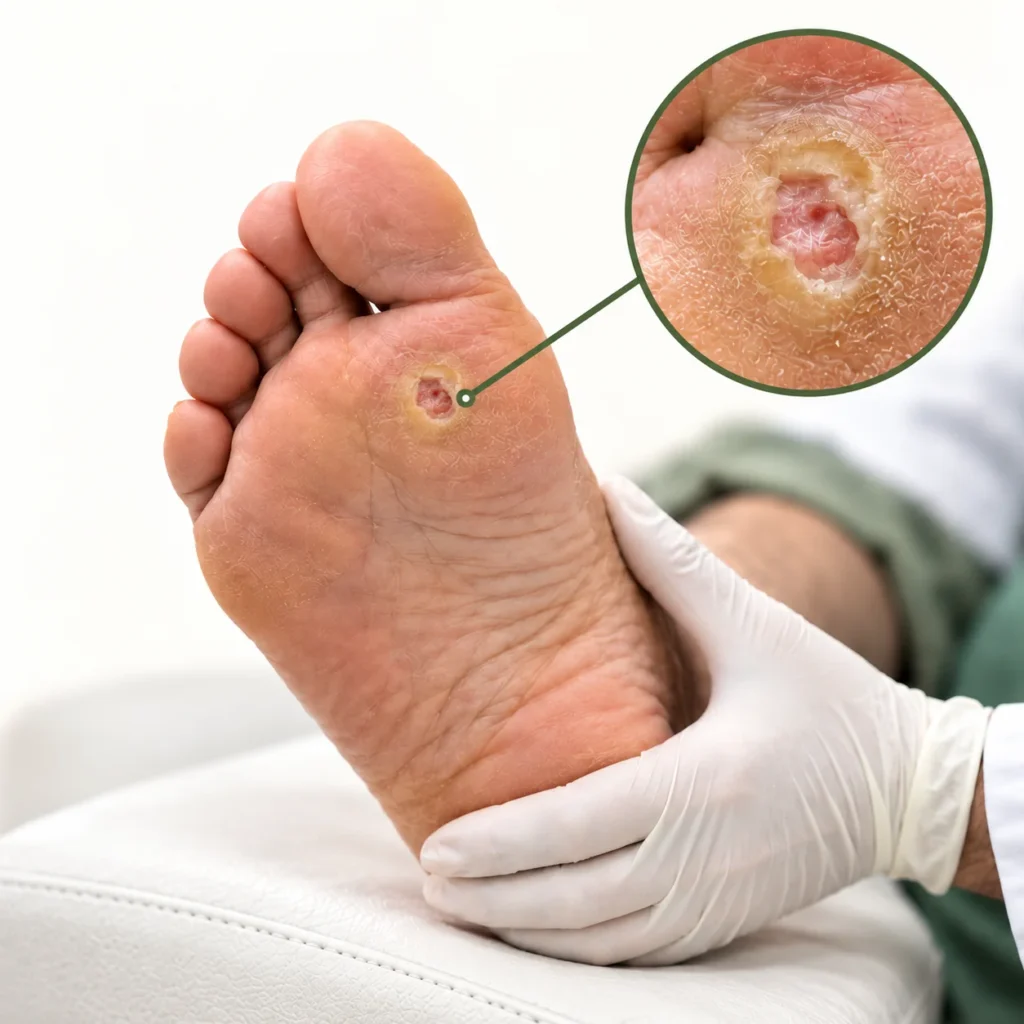
Diabetic foot ulcers
Open sores on the feet that need timely assessment and wound care.

Slow healing foot wounds
Cuts or sores that take longer than usual to heal.
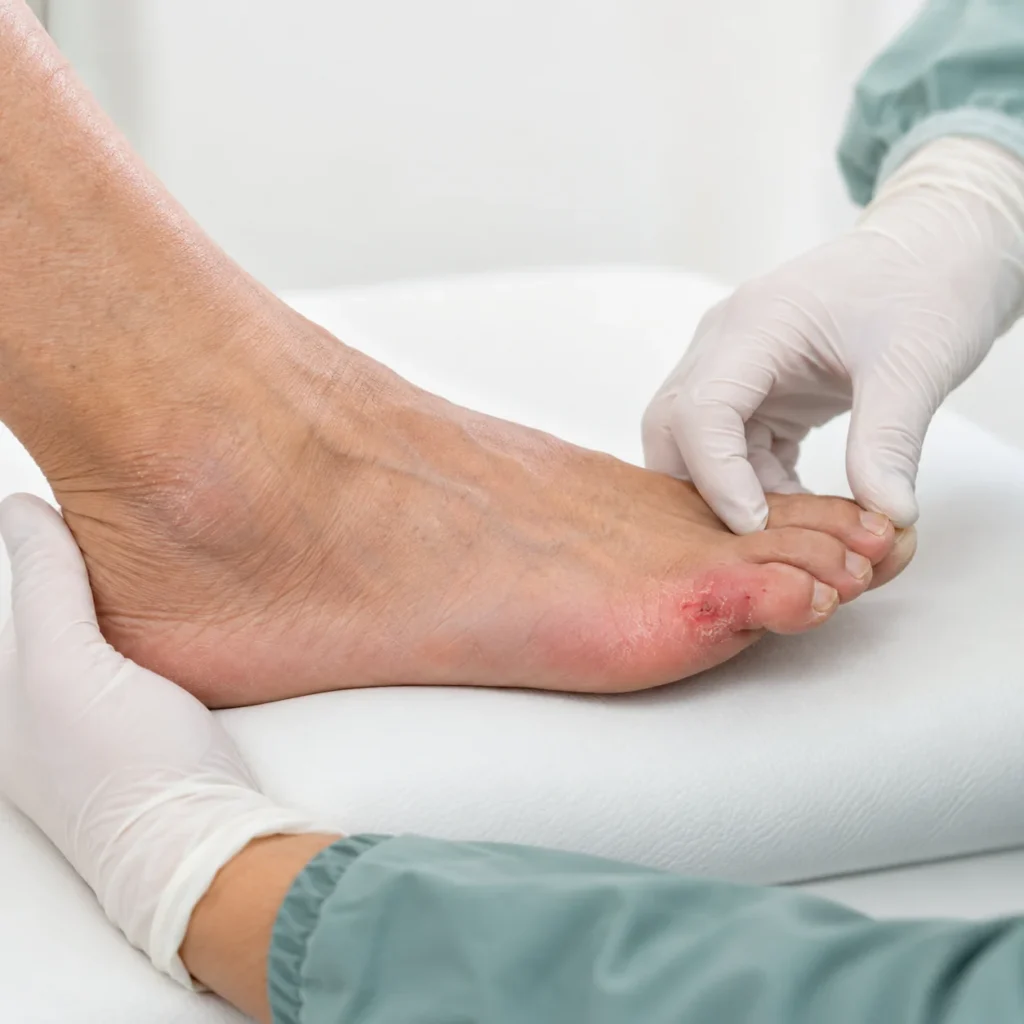
Foot infections
Infections that may cause redness, warmth, swelling or discharge.
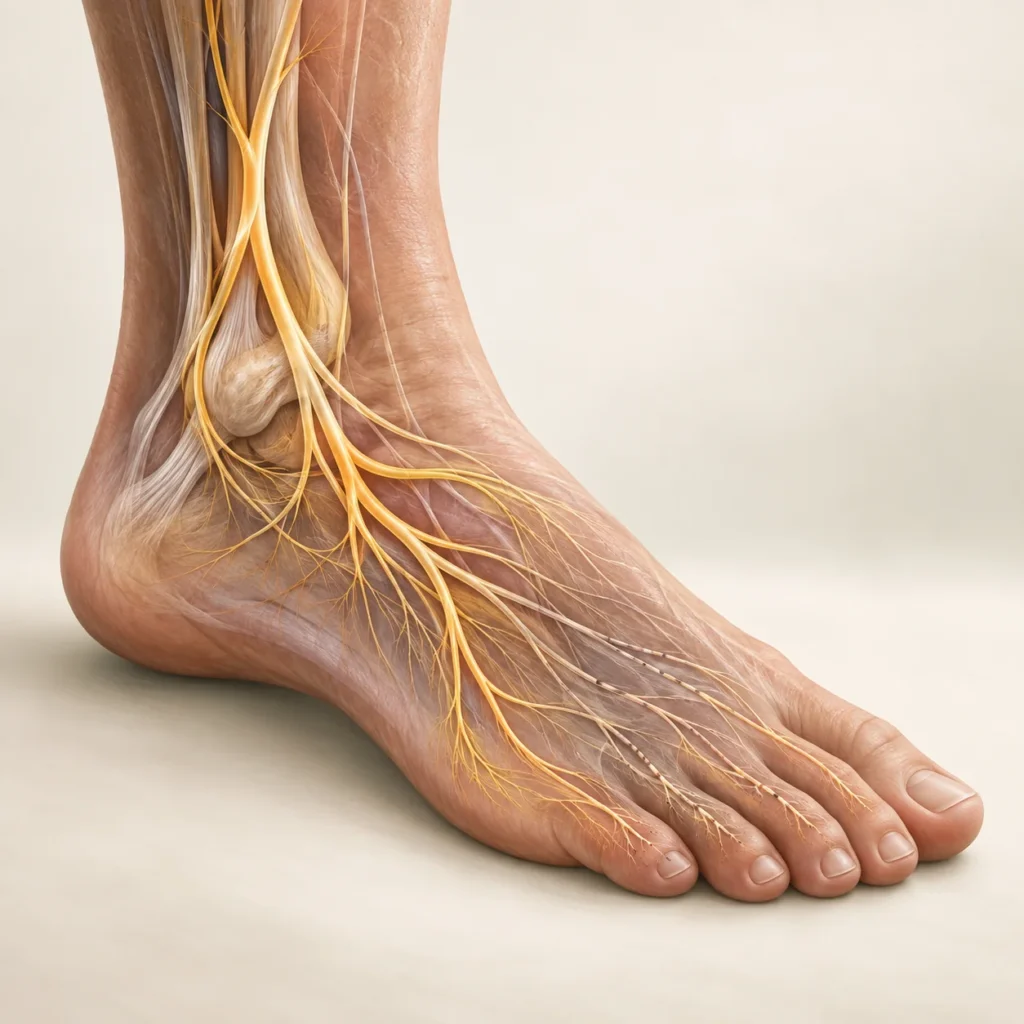
Diabetic neuropathy
Diabetes-related nerve damage that may cause tingling, burning or numbness.
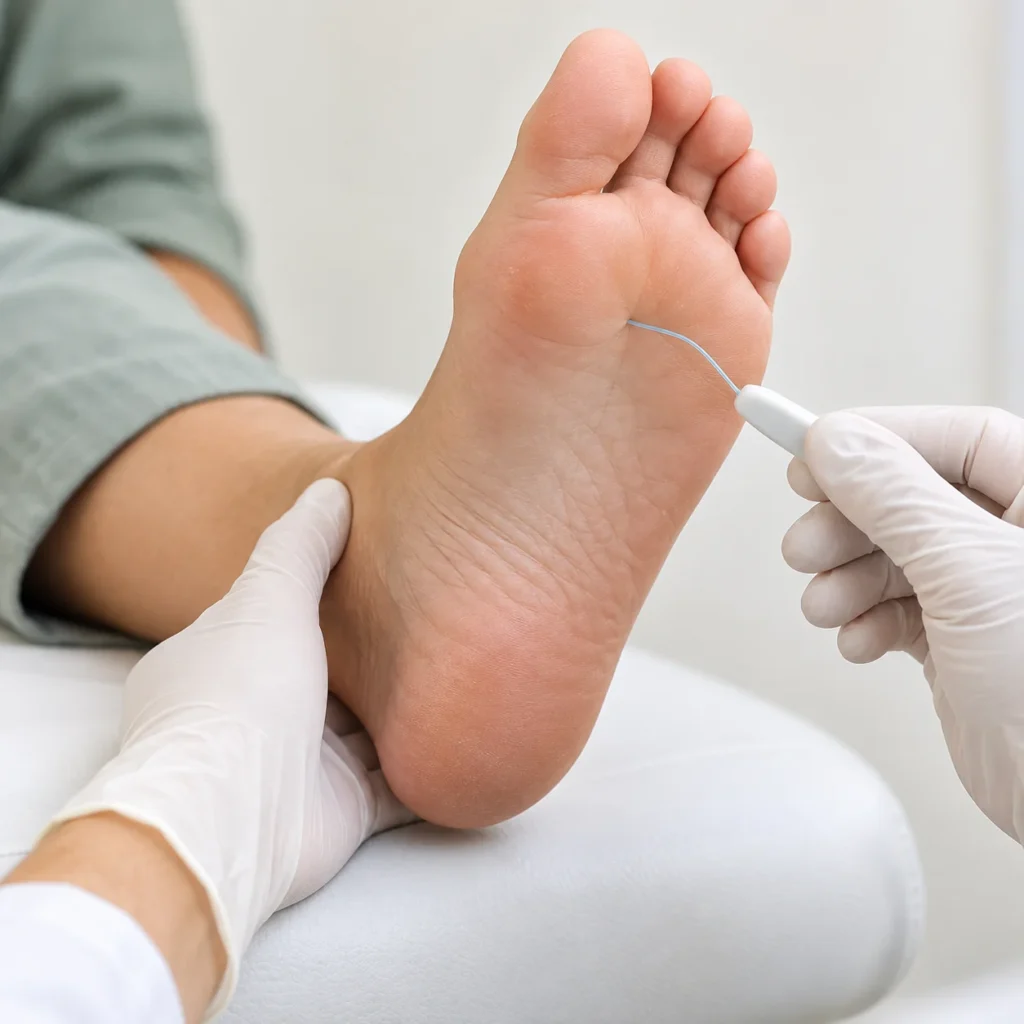
Numbness or loss of sensation
Reduced feeling in the feet, allowing injuries to go unnoticed.
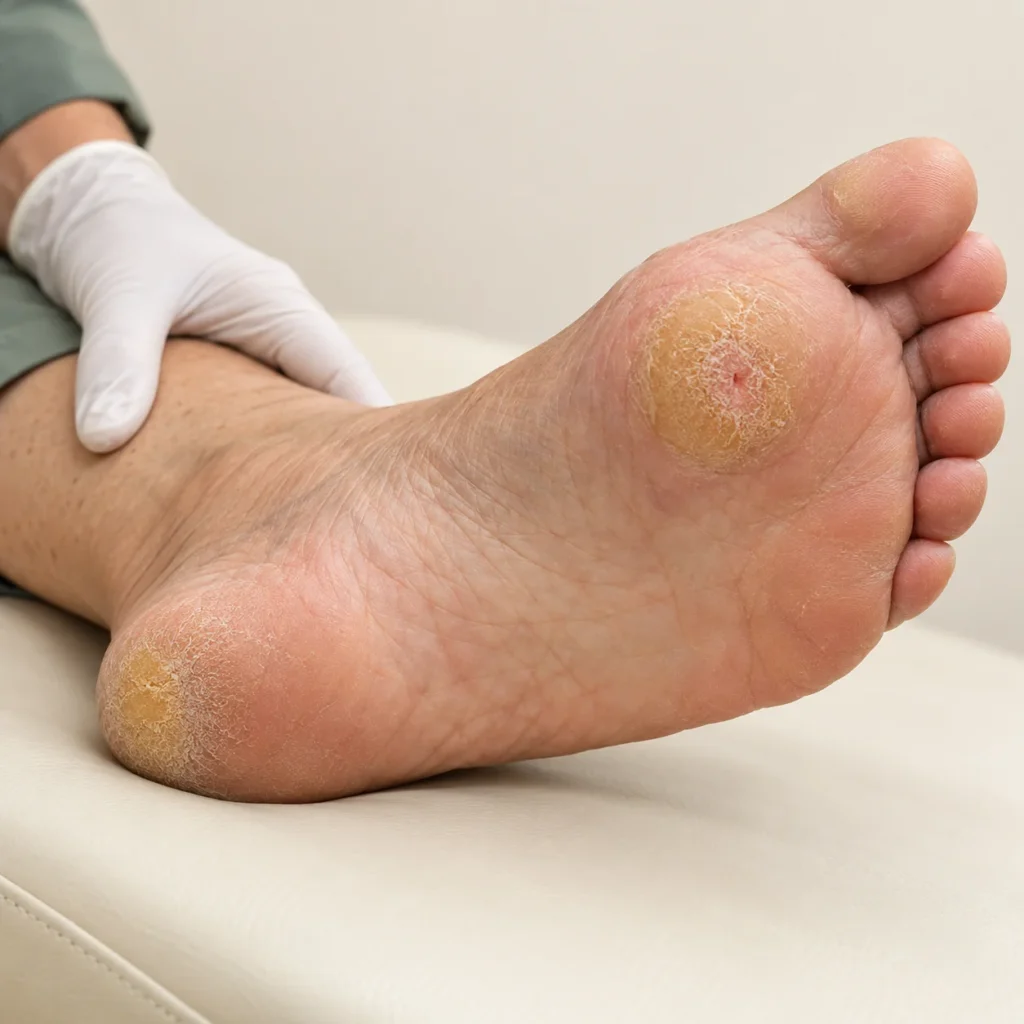
Calluses and pressure-related wounds
Thickened skin or sores caused by repeated pressure and friction.
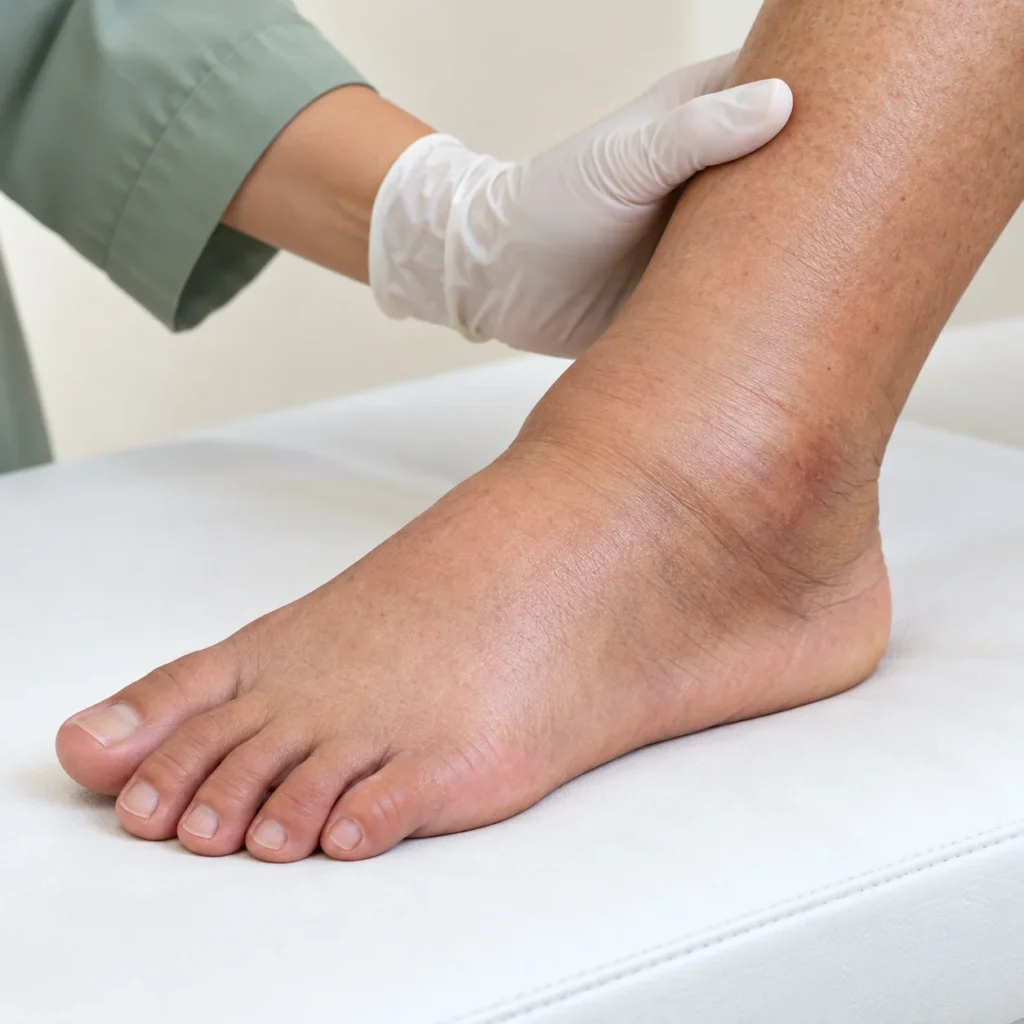
Skin colour changes or swelling
Changes in foot colour or size that need medical assessment.
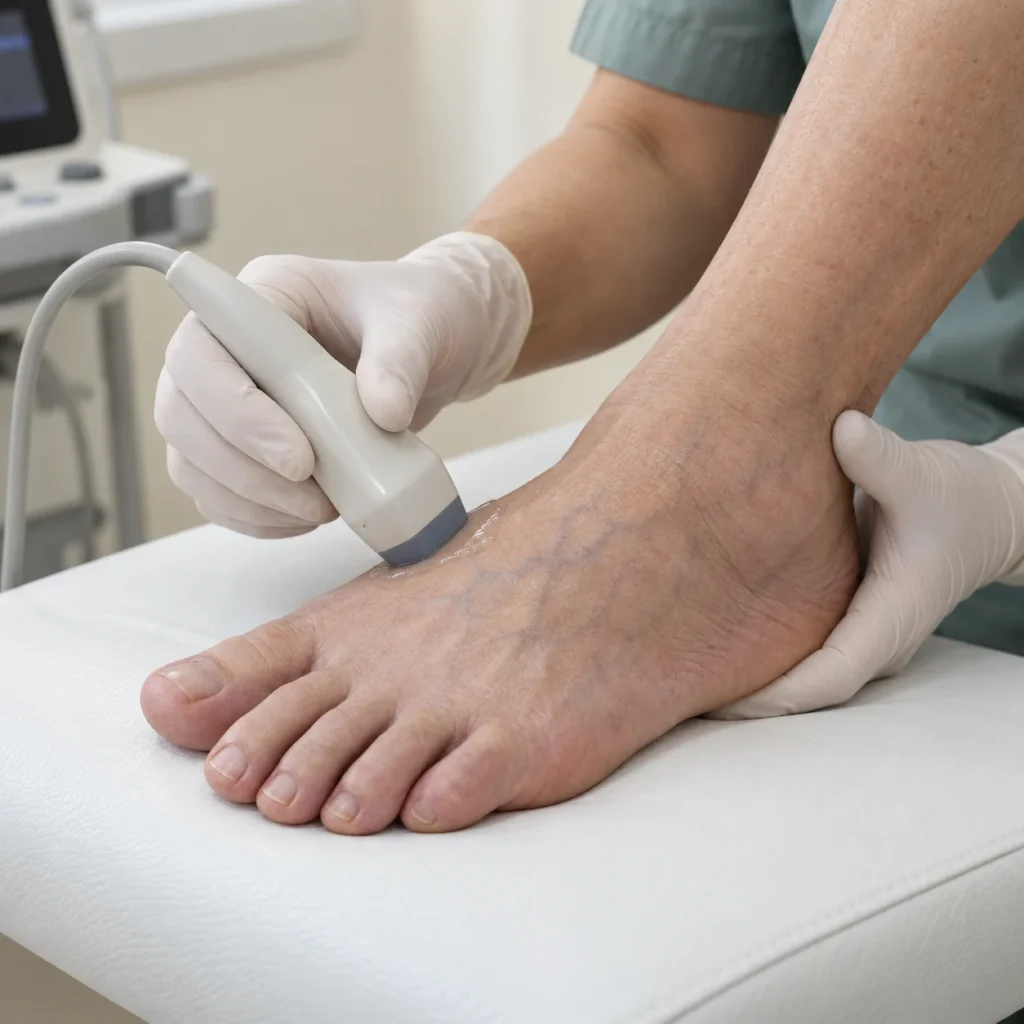
Poor circulation affecting the feet
Reduced blood flow that can slow healing and damage tissues.
Diabetic Foot Treatment at Our Centre in Coimbatore
Type 2 Diabetes Mellitus
Type 2 diabetes is one of the most common lifestyle-related metabolic disorders. It develops when the body becomes resistant to insulin or does not produce enough insulin to maintain normal blood sugar levels. Common symptoms may include frequent urination, increased thirst, excessive hunger, fatigue, blurred vision, delayed wound healing, recurrent infections, and tingling or numbness in the feet. Early diagnosis and proper diabetes management are important because good blood sugar control can help reduce the risk of serious complications affecting the heart, kidneys, nerves, and blood vessels.

Type 1 Diabetes
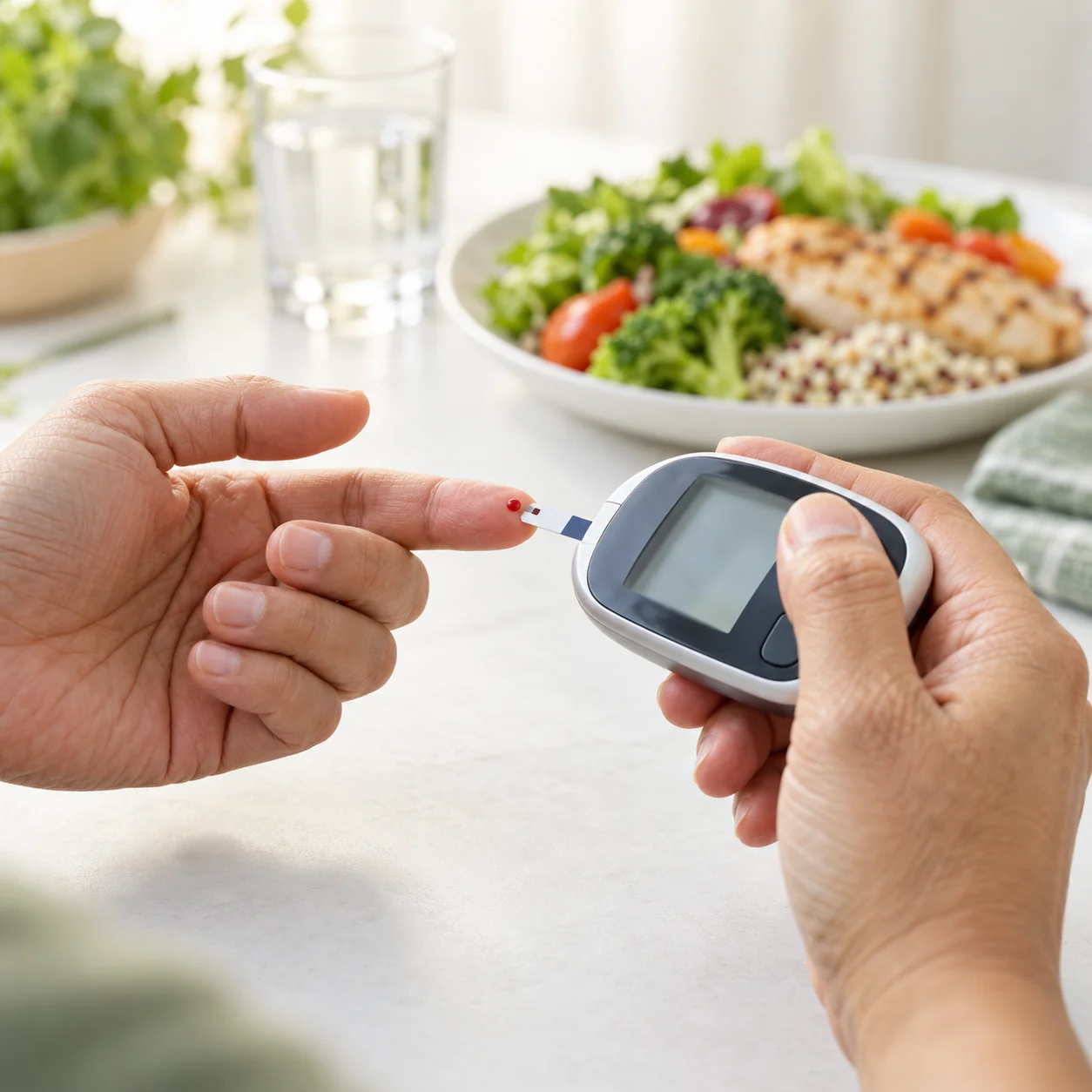
Type 1 diabetes is an autoimmune condition in which the immune system attacks insulin-producing cells in the pancreas, leaving the body with little or no insulin. It can develop at any age and requires lifelong insulin therapy and regular blood glucose monitoring.
Our clinic provides comprehensive insulin management, glucose monitoring guidance, dietary counselling, and strategies to reduce the risk of complications. Regular follow-ups help review glucose patterns and adjust treatment to individual needs.
Understanding how meals, physical activity, and illness affect blood sugar is an essential part of daily care. With appropriate treatment and ongoing support, people with Type 1 diabetes can lead active, fulfilling lives.
Gestational Diabetes
Gestational diabetes develops during pregnancy when blood sugar levels become higher than normal and requires careful monitoring to support the health of both mother and baby. Our team provides regular blood sugar monitoring, pregnancy nutrition counselling, medication management when required, maternal and fetal risk assessment, and postpartum diabetes follow-up. With timely evaluation and appropriate management, blood sugar levels can often be controlled effectively during pregnancy. Continued follow-up after delivery is also important, as women who develop gestational diabetes may have a higher risk of developing type 2 diabetes later in life.

Diabetic Foot Problems We Assess and Treat
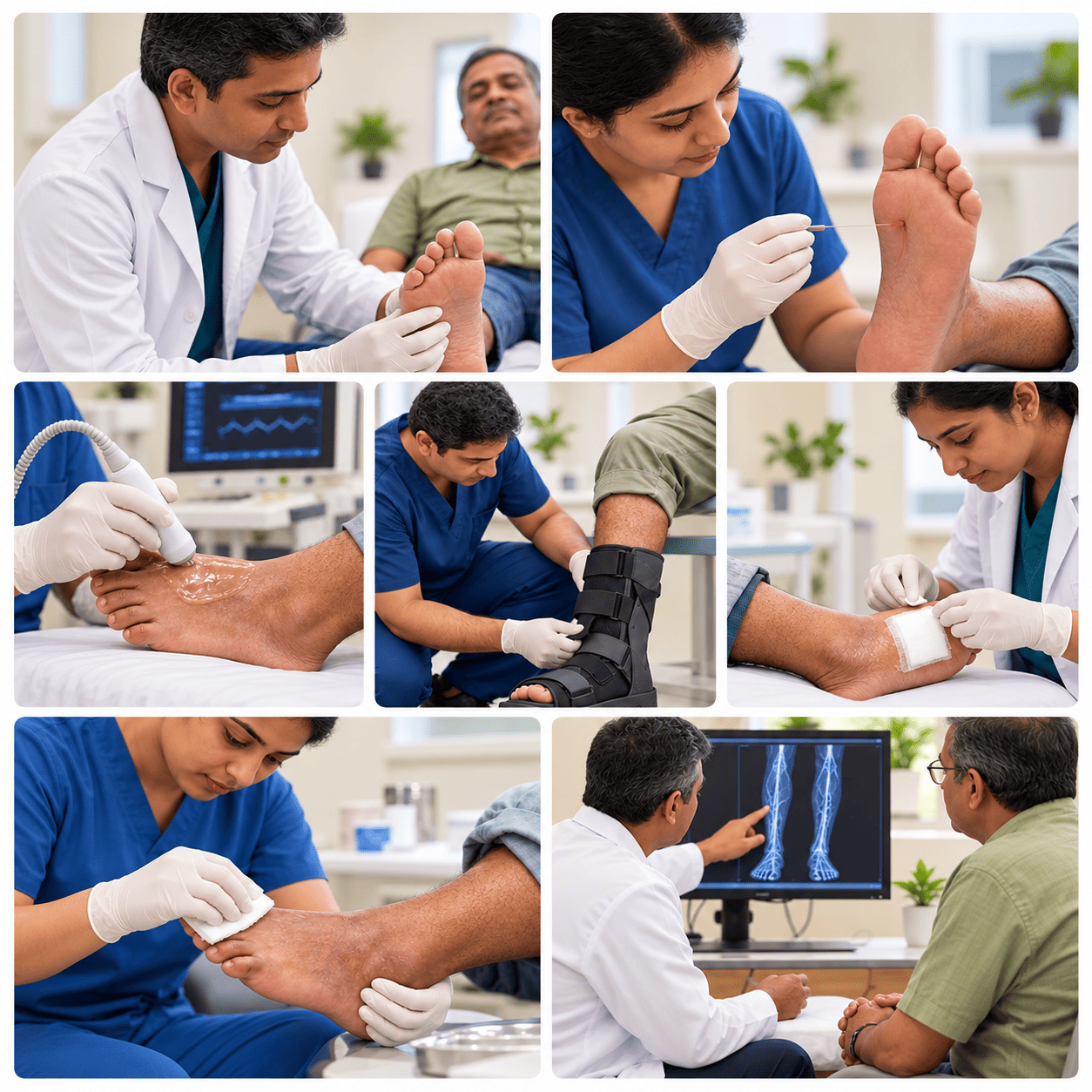
Diabetes can affect the nerves and blood circulation in the feet, which may increase the risk of numbness, ulcers, infections, and delayed wound healing. At Havisha Hospital, diabetic foot care includes regular foot screening, neuropathy assessment, vascular evaluation, pressure offloading, wound care management, infection prevention, and limb-preservation strategies based on each patient’s condition. Identifying foot problems early and managing wounds promptly can help prevent complications, support healing, and reduce the risk of severe infection and amputation.
Diabetic Neuropathy and Foot Complications
Diabetic neuropathy is nerve damage that can develop after prolonged periods of poorly controlled blood sugar levels. It commonly affects the feet and may cause burning sensations, numbness, tingling, reduced sensation, foot pain, or muscle weakness. Because reduced sensation can make small injuries harder to notice, regular foot checks and timely evaluation are important. Our clinic provides comprehensive neuropathy assessment, symptom management, foot-risk evaluation, and long-term care planning to help reduce complications and support ongoing diabetes control.


Obesity and Metabolic Syndrome
Obesity, high blood pressure, high cholesterol, and insulin resistance are closely linked with type 2 diabetes and overall metabolic health. Managing these risk factors is important for improving blood sugar control and reducing the likelihood of long-term complications. Our team provides weight management support, nutritional counselling, lifestyle modification guidance, metabolic risk assessment, and preventive diabetic care tailored to individual needs. A structured approach to diet, activity, weight, and regular monitoring can help improve overall metabolic health and support better diabetes management.
Advanced Wound Care for Diabetic Ulcers
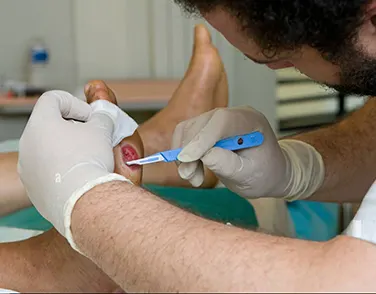
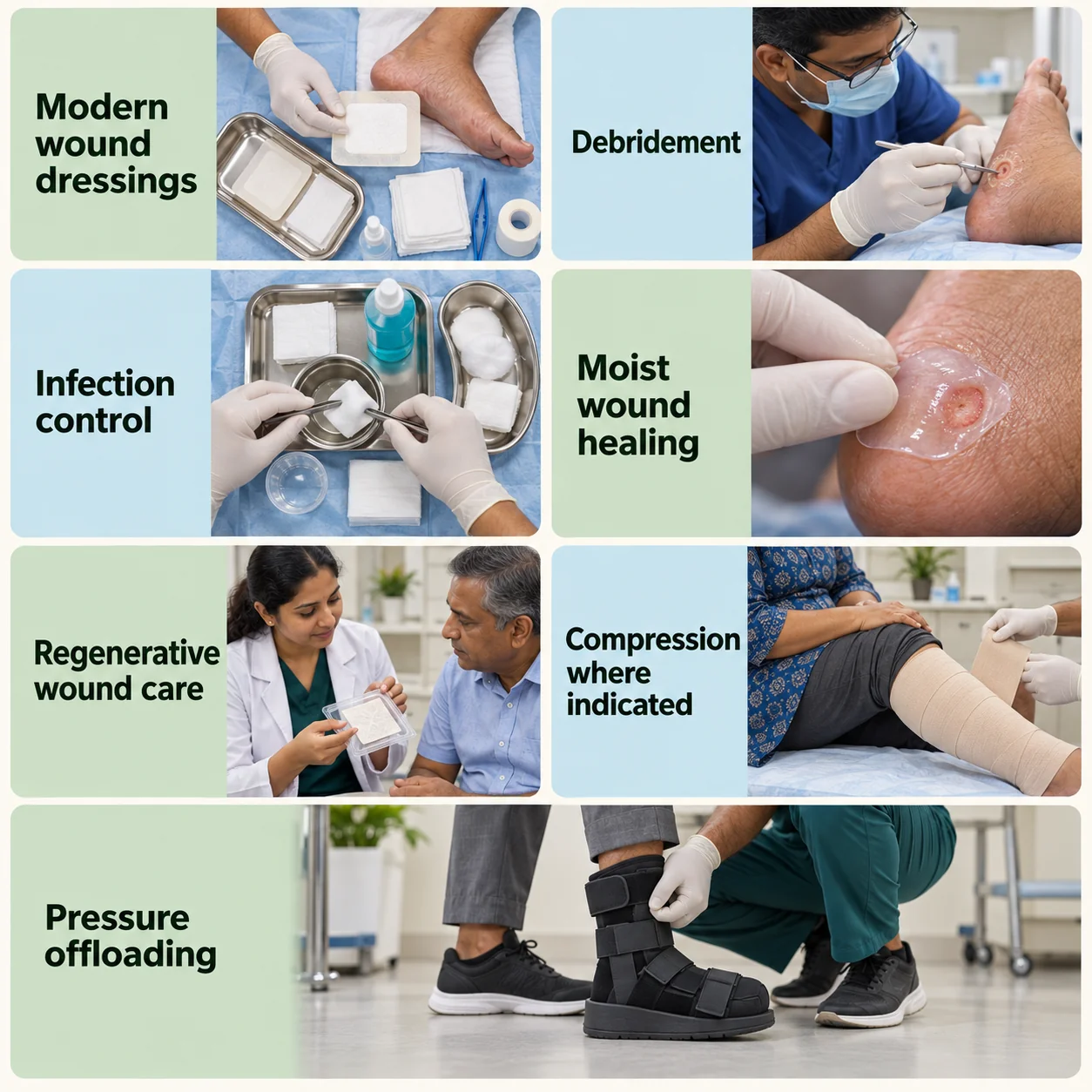
Non-healing diabetic foot ulcers require specialized wound care and regular monitoring because delayed healing can increase the risk of infection and other serious complications. Our wound care services may include modern wound dressing techniques, debridement, infection control, moist wound healing, regenerative wound care approaches, compression therapy when clinically appropriate, and pressure offloading techniques. Treatment is planned according to the wound’s condition, blood circulation, infection risk, and overall diabetes control. Early and consistent care can support healing, help protect surrounding tissue, and reduce the risk of severe complications, including amputation.

Warning Signs That Need Diabetic Evaluation
Early diagnosis and timely diabetes management can help reduce the risk of serious complications affecting the nerves, eyes, kidneys, heart, blood vessels, and feet. You should consider consulting a diabetology specialist if you experience symptoms such as excessive thirst, frequent urination, increased hunger, unexplained weight loss, persistent fatigue, blurred vision, recurrent infections, burning or numbness in the feet, or slow-healing wounds. These symptoms may be associated with abnormal blood sugar levels or diabetes-related complications, so appropriate evaluation and testing can help identify the cause and guide treatment early.
Why Choose Havisha Hospital for Diabetic Foot Care?
Havisha Hospital offers personalized Type 1 and Type 2 diabetes care in Coimbatore, including evaluation, nutrition guidance and regular follow-ups. Our specialist diabetic foot services cover ulcers, wounds, infections, neuropathy and circulation problems, with a focus on timely treatment and preventing complications.

FAQs
Frequently Asked Questions About Diabetic Foot Care in Coimbatore
Diabetic foot refers to foot problems associated with diabetes, including numbness, reduced sensation, poor circulation, infections and slow-healing wounds. Even a small cut or blister can become serious if it is not noticed or treated promptly.
You should seek medical evaluation if you have diabetes and notice a wound, ulcer, redness, swelling, numbness, colour changes, infection or a foot injury that is not healing. Early assessment can help identify complications and guide appropriate treatment.
Early signs may include numbness, tingling, burning sensation, swelling, redness, cracks, blisters, calluses, skin colour changes or wounds that heal slowly. Some people with diabetic neuropathy may have reduced sensation and may not feel pain from a foot injury.
Treatment depends on the individual's condition and may include wound assessment, infection management, pressure reduction, regular wound care and evaluation of blood circulation. The treatment plan should be based on the severity and cause of the foot problem.
Seek urgent medical attention for a rapidly spreading infection, severe swelling, significant skin colour changes, a deep wound, blackened tissue, fever or sudden worsening of a foot wound. Prompt medical assessment is particularly important for people with diabetes.
Yes. Reduced blood flow can affect the body's ability to deliver oxygen and nutrients needed for healing. When circulation problems are suspected, a healthcare professional may recommend further evaluation as part of the treatment plan.
Depending on the condition, diabetic foot care may involve specialists experienced in diabetes-related complications, wound care, vascular health and other relevant areas. The appropriate specialist depends on whether the main problem involves nerves, blood circulation, infection, wounds or another complication.