The Future of Vascular Care
Innovations in Laser and Sclerotherapy
Vascular treatment has already moved a long way from the operating-theatre-based procedures of a generation ago. But the field isn’t standing still even at the “minimally invasive” stage it’s reached today — the tools themselves are continuing to evolve, aiming at a goal that goes beyond just avoiding a scalpel: fewer needles, less discomfort, more precision, and treatment plans built around each patient’s specific vein anatomy rather than a one-size-fits-all protocol.
From Cutting to Closing — and Now to "No Numbing Needles At All"
The biggest historical shift in vein treatment was the move from surgical removal to catheter-based closure — sealing a vein shut instead of physically taking it out. That shift already changed recovery expectations dramatically.
The next wave of innovation is pushing a step further: reducing not just the invasiveness of the closure itself, but the invasiveness of what’s needed to make the closure painless in the first place.
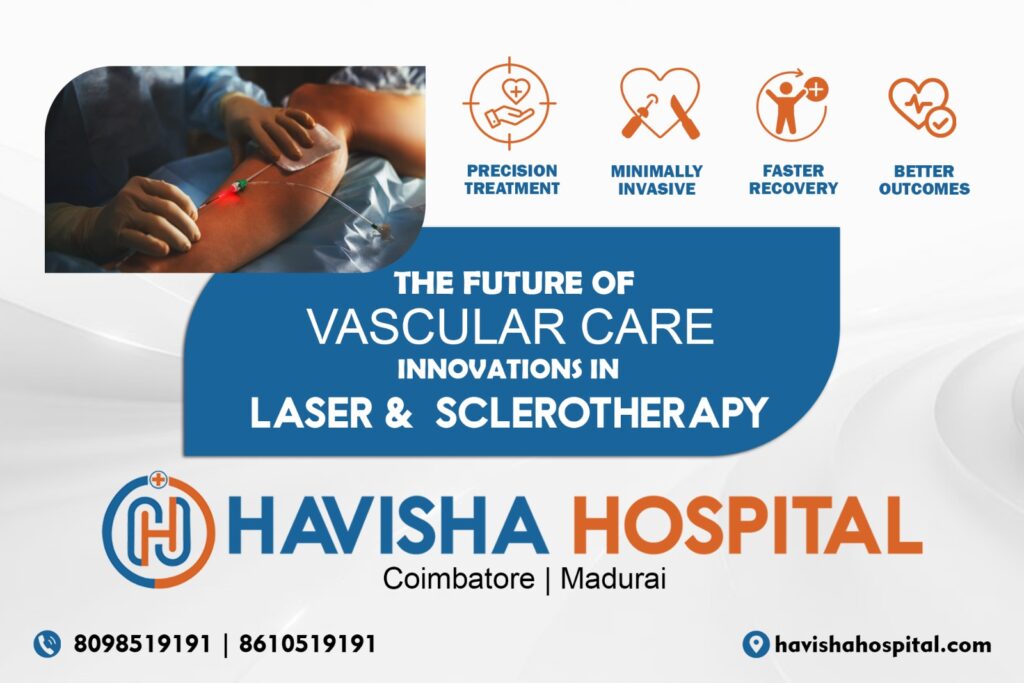
That’s the idea behind a category of techniques known as non-thermal, non-tumescent (NTNT) ablation. Traditional endovenous laser and radiofrequency treatments rely on heat, which means the vein first has to be surrounded with local anesthetic fluid injected at multiple points along its entire length — the tumescent step — purely to protect nearby tissue from that heat.
NTNT techniques remove the heat from the equation entirely, which means they can remove the need for that extended numbing step too.
Mechanochemical ablation is one such technique. Instead of heat, a rotating wire inside the catheter mechanically irritates the inner vein wall as it’s withdrawn, while a sclerosing agent is simultaneously infused through the same catheter.
The combination of physical irritation and chemical closure seals the vein without ever heating it — meaning no tumescent anesthesia is required along the vein’s length, only numbing at the single entry point.
Cyanoacrylate-based vein closure takes a different non-thermal route: a small amount of medical adhesive is delivered through the catheter at specific points, and gentle external compression from the physician’s hand holds the vein walls together as the adhesive sets.
Because there’s no heat and no chemical irritant spreading through the bloodstream, the anesthesia requirement drops to just the entry point as well.
Smarter Sclerotherapy: From Liquid to Precision Microfoam
EVLT takes an entirely different mechanical approach and is performed under local tumescent anesthesia rather than general anesthesia.
Sclerotherapy — closing a vein by injecting an irritant solution that causes it to collapse — is one of the oldest vein treatments in use, but the technique itself keeps getting more precise.
Older liquid sclerotherapy relied on the solution dispersing naturally along the vein, which made it harder to control exactly where it went, particularly in larger or more irregularly shaped veins.
The move to foam sclerotherapy changed that: mixing the sclerosing agent with a gas creates a foam that displaces blood out of the way as it moves through the vein, giving the solution direct contact with a much larger surface area of vein wall than liquid alone could reach.
The current frontier is microfoam consistency control — using standardized mechanical mixing devices rather than manual syringe-to-syringe agitation to produce foam with a much more uniform, fine bubble structure.
Inconsistent bubble size has historically been one of the bigger variables affecting how predictably a foam treatment closes a vein; tighter, more uniform microfoam behaves more predictably under ultrasound guidance, which is part of why foam sclerotherapy has expanded from treating small surface veins to playing a role in some larger vein cases that would once have gone straight to a thermal or surgical approach.
Real-time ultrasound guidance during the injection itself — watching the foam fill the vein live, rather than injecting somewhat blind — has also become far more standard, letting the physician confirm coverage of the entire target segment during the procedure rather than relying purely on technique and experience.
Endovenous laser systems are also evolving in a specific, technical direction: the wavelength of light being used.
Earlier-generation laser systems commonly used wavelengths that were absorbed strongly by hemoglobin in blood — effective at heating the vein, but also more likely to cause bruising and post-procedure discomfort because of how that energy interacted with red blood cells inside the vein during treatment.
Newer systems increasingly use longer wavelengths that are absorbed more selectively by water in the vein wall tissue itself, rather than primarily by the blood inside it. The practical result is more targeted heating of the vessel wall — the structure that actually needs to close — with comparatively less collateral thermal effect on the blood and surrounding tissue.
Fiber-tip design has advanced alongside wavelength selection. Older bare-tip fibers deliver energy in a fairly forward-focused pattern, while newer radial-emission fiber tips distribute energy around the full circumference of the vein simultaneously as they’re withdrawn.
More even energy distribution around the vein wall translates into more consistent closure along its length and has been linked to a lower rate of the kind of localized skin heat effects that older fiber designs occasionally produced.
Imaging Is Becoming Part of the Treatment, Not Just the Diagnosis
Perhaps the least visible but most consequential innovation isn’t a treatment tool at all — it’s how vein disease is being mapped before any device even touches the leg.
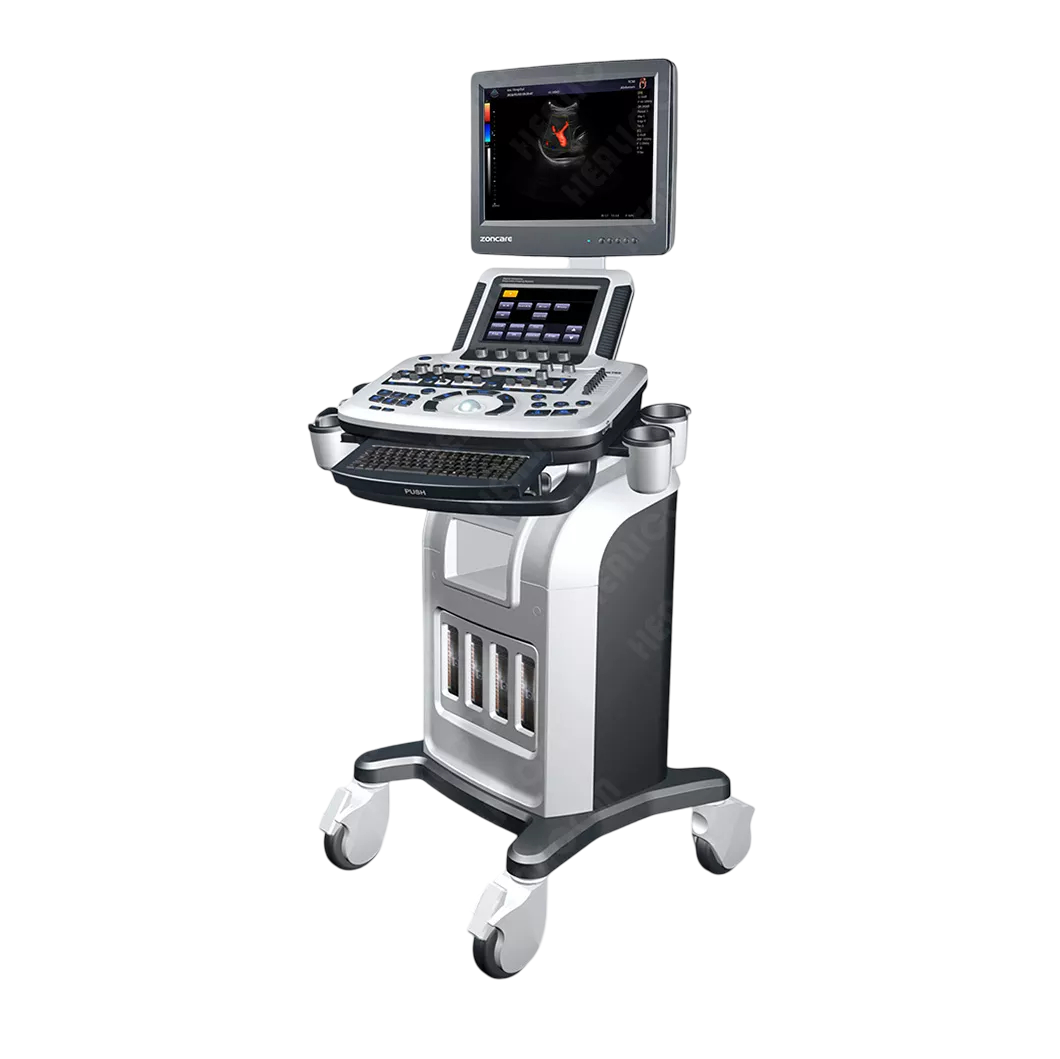
High-resolution ultrasound has moved toward capturing more detailed, three-dimensional views of venous anatomy rather than single cross-sectional images, giving a more complete picture of how a vein curves and where its tributaries branch off before a treatment plan is finalized.
Software-assisted Doppler analysis is also increasingly used to measure and record reflux timing and vein diameter at multiple points along a vein’s length automatically, rather than relying solely on manual spot-checks — producing a more consistent, reproducible map of exactly where reflux is occurring and how severe it is at each point.
This matters because both NTNT techniques and modern laser systems are only as effective as the accuracy of the map guiding them. As imaging resolution and consistency improve, treatment planning shifts from “here’s roughly where the problem vein runs” toward a precise, point-by-point picture of the venous system being treated.
What's Still on the Horizon
A few developments are still moving from research settings into mainstream clinical use:
Bioabsorbable closure materials — adhesives and mechanical closure devices designed to be gradually and fully absorbed by the body over time, aimed at reducing any long-term presence of foreign material in the treated vein.
Combination-therapy protocols — using more than one technique in a single planned sequence (for example, a thermal or non-thermal closure for the main trunk vein paired with targeted foam sclerotherapy for smaller branching tributaries) as standard practice rather than an ad hoc decision made mid-procedure.
Predictive risk modeling — early research into genetic and biomarker indicators that could eventually help identify people at higher risk of valve failure before reflux becomes measurable on ultrasound, shifting some vein care from reactive treatment toward earlier monitoring.
The Throughline: Future of Vascular Care Innovations at a Glance
Every innovation described here points in the same direction: shrinking the gap between “effective” and “barely noticeable” for the patient. Heat is being made more selective, chemical closure is being made more precise, mechanical closure is being made possible without heat at all, and the imaging behind all of it is becoming detailed enough to plan treatment with far more certainty than in the past.
None of these tools change why a vein needs treatment — a leaking valve is still a leaking valve — but they continue to change how much of that treatment the patient actually has to feel.
Book a consultation with Havisha Hospital’s vein care team in Coimbatore or Madurai:
+91 86105 19191
Blog Posts
Frequently Asked Questions
It refers to vein-closure techniques that don’t use heat to seal the vein, which means they also don’t require the extended local anesthetic fluid (tumescent anesthesia) normally injected along the vein’s full length to protect surrounding tissue from that heat. Numbing is typically needed only at the single catheter entry point instead.
No. Laser treatment closes a vein using heat delivered through a fiber. Mechanochemical ablation uses a rotating wire to mechanically irritate the vein’s inner lining while simultaneously infusing a chemical sclerosing agent through the same catheter — no heat is involved in either step.
Different wavelengths of light are absorbed differently by blood versus the water content in vein wall tissue. A wavelength absorbed more by the vein wall itself, rather than by the blood inside it, allows more targeted heating of the structure that actually needs to close, with less thermal effect on surrounding blood and tissue.
The underlying sclerosing agent is the same; the difference is in how the foam is produced. Microfoam uses standardized mechanical mixing to create a finer, more uniform bubble structure than manual mixing typically achieves, which makes the foam’s behavior inside the vein more predictable under ultrasound guidance.
Both. Detailed pre-procedure mapping shapes the treatment plan, but many of these imaging tools — particularly live ultrasound guidance during foam injection or catheter placement — are also used in real time during the procedure to confirm coverage and positioning as treatment happens, not just beforehand.
These are described as emerging developments moving from research into broader clinical practice rather than universally available options today. Their availability and suitability depend on ongoing clinical evidence and individual vein anatomy, which is best discussed directly with a vascular specialist.
Contact us
For more details
📍 Locations
Singanallur, Coimbatore, Tamil Nadu 641005
Tallakulam, Madurai, Tamil Nadu 625002
📞 Phone Numbers
+91 80985 19191
+91 86105 19191
🌐 Website
Book Your Consultation with Dr. Hari Hara Jothi Today
If you have been living with painful, swollen, or visible varicose veins — relief is closer than you think. Dr. Hari Hara Jothi offers expert, personalised, and minimally invasive varicose vein treatment in Coimbatore that fits your life.
Do not wait for a simple vein problem to become a serious complication.
Subscribe to Our Newsletter
Get expert tips on varicose vein treatment, vascular care, and the latest health updates from Havisha Hospital in Coimbatore & Madurai.

Havisha Hospital delivers advanced, patient-focused care with a commitment to safety, comfort, and faster recovery in Coimbatore and Madurai.
Treatments
Information
Phone Number
+91 86105 19191
Maill Address
havishahospital@gmail.com
Head Office
Singanallur, Coimbatore, Tamil Nadu 641005.
Tallakulam, Madurai Tamil Nadu 625002.