7 Early Warning Signs of Varicose Veins in Madurai
You Shouldn't Ignore
The earliest signs of varicose veins are leg heaviness after standing, visible bluish or rope-like veins, ankle swelling by evening, night cramps, and itching around the ankles. In Madurai’s hot, humid climate, these symptoms often appear faster and feel worse than in cooler regions — which is why local doctors recommend evaluation as soon as symptoms start, not after veins become visibly enlarged.
Understanding the Warning Signs of Varicose Veins in Madurai
If you’ve noticed your legs feeling unusually tired by the end of a workday, or you’ve spotted a faint bluish vein tracing up your calf, you’re not imagining it — and you’re not alone. Vascular specialists in Madurai report a steady rise in early-stage varicose vein cases, particularly among people whose jobs keep them on their feet or seated for long stretches.
This guide walks through the seven signs that tend to show up first, why Madurai’s climate plays a bigger role than most people realize, and exactly when it’s time to get a Doppler ultrasound rather than wait it out.
Varicose veins don’t appear overnight. They develop gradually as tiny valves inside leg veins weaken, allowing blood to pool instead of flowing efficiently back to the heart. Catching this process in its early stage — before veins visibly bulge — means treatment is simpler, faster, and far less invasive.
Waiting until veins are fully enlarged often means the difference between a 30-minute walk-in laser procedure and a more involved intervention months later.
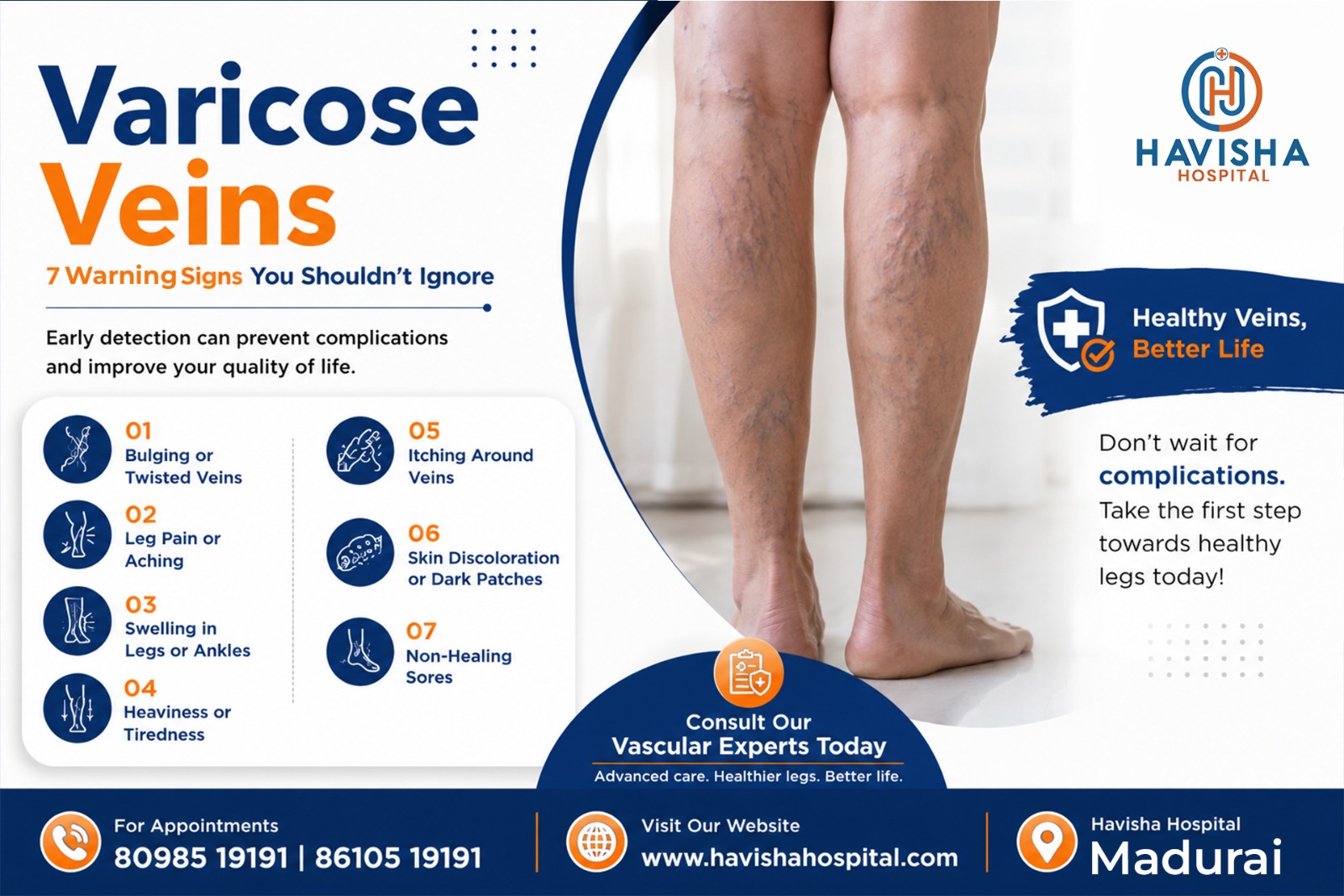
The 7 Early Warning Signs
1. Leg Heaviness by Late Afternoon
A dragging, tired sensation in the calves that builds through the day — especially in people who stand for work, like retail staff, teachers, or textile workers common across Madurai — is often the very first sign, appearing well before any vein is visibly enlarged.
2. Faint Bluish or Greenish Vein Lines
Thin, thread-like veins visible under the skin, particularly behind the knee or along the inner calf, mark the transition from healthy circulation to early venous insufficiency.
3. Evening Ankle Swelling
Mild swelling that appears by evening and disappears overnight is one of the most reliable early indicators, since fluid pooling at this stage hasn’t yet caused permanent skin changes.
4. Nighttime Leg Cramps
Sudden calf cramps that wake people up, especially in the second half of the night, are commonly linked to reduced venous return and are often dismissed as simple fatigue or dehydration.
5. Itching or Burning Near the Ankles
A localized itch or mild burning sensation around the lower leg — without any visible rash — frequently signals irritation from blood pooling beneath the skin’s surface.
6. Restless Legs at Rest
An urge to move or shift the legs while sitting or lying down, particularly in the evening, is an under-recognized early sign that’s frequently mistaken for a sleep issue rather than a circulatory one.
7. Visible Vein Prominence After Long Standing
Veins that become more noticeable specifically after standing for extended periods — and flatten out after rest or elevation — indicate the valve weakening has begun, even if the vein isn’t permanently enlarged yet.
Why Madurai's Climate Makes Symptoms Appear Faster
Heat causes blood vessels to dilate, which places additional strain on already-weakening vein valves. In a city where daytime temperatures regularly climb into the mid-30s°C for much of the year, this means residents often notice symptoms — particularly evening swelling and heaviness — earlier and more intensely than people in cooler climates experience them. Occupations involving prolonged standing, common in Madurai’s retail, teaching, and textile sectors, compound this effect.
This is exactly why recognizing the warning signs of varicose veins in Madurai early matters more here than in cooler cities.
When to See a Doctor
See a vascular specialist within the next few weeks if: symptoms appear most days, involve visible veins, or include ankle swelling that doesn’t fully resolve overnight.
Seek care within 24–48 hours if: you notice sudden one-sided leg swelling, skin that’s warm and tender to the touch, or a hardened cord-like area under the skin — these can indicate a blood clot and require urgent evaluation rather than a routine consultation.
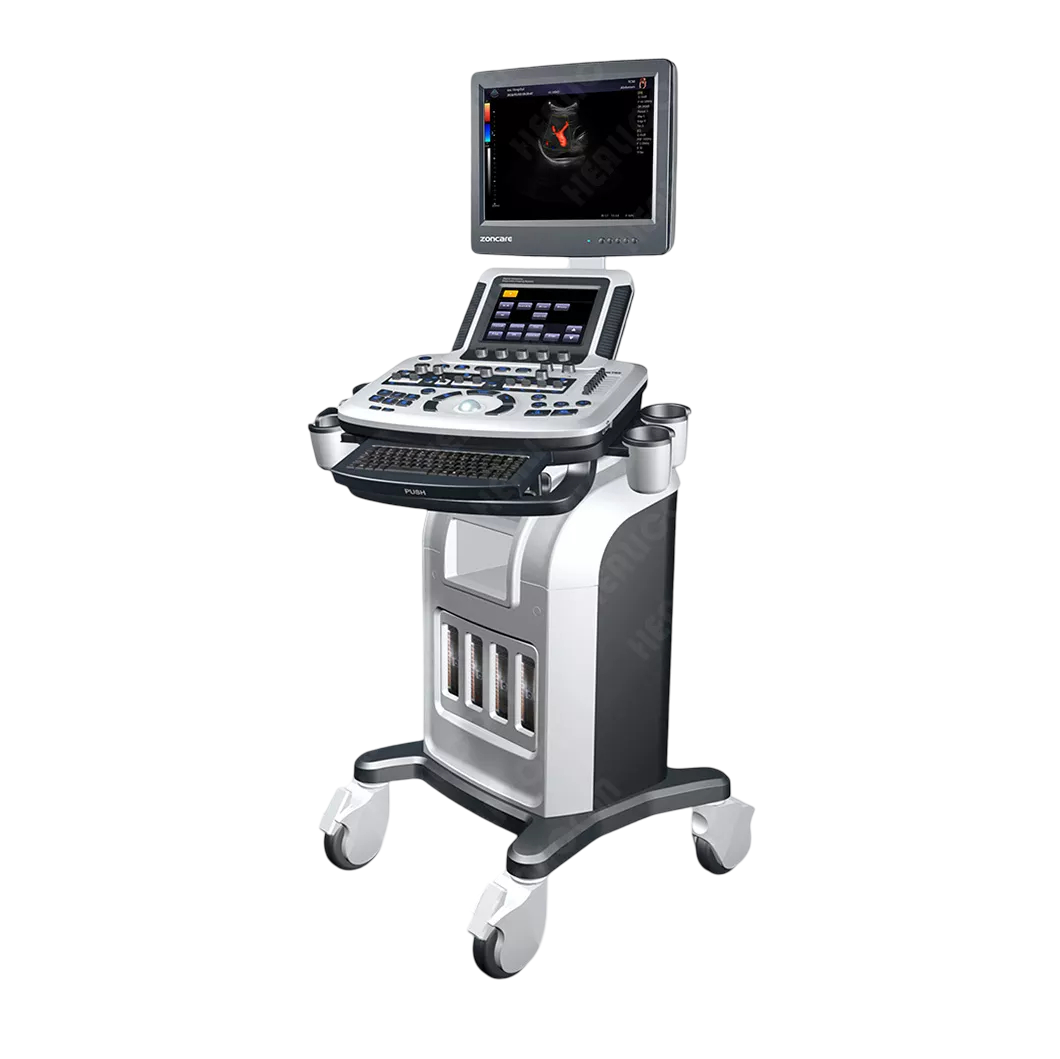
A simple, painless Doppler ultrasound is the standard first step — it maps blood flow in the leg veins and tells a specialist exactly which valves are affected, well before any decision about treatment is made.
What to Expect at Your First Consultation
Your first visit with Dr. Hari Hara Jothi is a comprehensive evaluation, not a rushed 10-minute appointment.
Here is what typically happens:
Step 1 – Medical History Review Dr. Jothi will ask about your symptoms, duration, family history of vein problems, lifestyle, and any previous treatments.
Step 2 – Physical Examination A thorough clinical examination of your legs in both standing and lying positions to assess the extent of venous disease.
Step 3 – Colour Doppler Ultrasound If required, a venous Doppler scan is performed to map the diseased veins accurately. This takes approximately 20 to 30 minutes.
Step 4 – Personalised Treatment Plan Dr. Jothi will explain your diagnosis clearly and recommend the most suitable treatment — along with the expected outcomes, recovery time, and cost.
You leave the consultation with clarity and confidence, not confusion.
Why Madurai Patients Trust Dr. Hari Hara Jothi
Over the years, Dr. Hari Hara Jothi has treated patients from across Tamil Nadu and even from neighbouring states who travel specifically for his expertise. The reasons patients recommend him are consistent:
Patients who come in as soon as they notice the warning signs of varicose veins in Madurai consistently report simpler, faster treatment outcomes.
- Honest diagnosis – He never recommends treatment unless it is truly needed
- Transparent communication – All costs, risks, and expectations are discussed upfront
- Comfortable clinic environment – Modern, hygienic, and patient-friendly facilities
- Post-procedure follow-up – He stays invested in your recovery long after the procedure is complete
- Affordable care – Advanced treatments without unnecessary financial burden
If you’re noticing two or more of these signs, an early consultation and Doppler ultrasound can catch venous insufficiency before it progresses. Read our complete guide to varicose veins treatment in Madurai for details on diagnosis and modern, minimally invasive treatment options available locally.
Blog Posts
Frequently Asked Questions
Early venous insufficiency can often be slowed with compression stockings, leg elevation, and regular movement, but weakened valves don’t fully repair themselves — lifestyle steps manage symptoms rather than reverse the underlying cause.
Not always — it can also stem from muscle fatigue or dehydration — but heaviness that recurs daily and worsens through standing is a pattern specific to early venous insufficiency and worth having checked.
A colour Doppler ultrasound is the standard diagnostic tool, allowing a specialist to see blood flow direction and valve function in real time without any needles or discomfort.
Hydration supports overall circulation, but evening ankle swelling linked to vein valve weakness is a mechanical issue, not a hydration one, so water alone won’t resolve it.
Contact us
For more details
📍 Locations
Singanallur, Coimbatore, Tamil Nadu 641005
Tallakulam, Madurai, Tamil Nadu 625002
📞 Phone Numbers
+91 80985 19191
+91 86105 19191
🌐 Website
Book Your Consultation with Dr. Hari Hara Jothi Today
If you have been living with painful, swollen, or visible varicose veins — relief is closer than you think. Dr. Hari Hara Jothi offers expert, personalised, and minimally invasive varicose vein treatment in Coimbatore that fits your life.
Do not wait for a simple vein problem to become a serious complication.
Subscribe to Our Newsletter
Get expert tips on varicose vein treatment, vascular care, and the latest health updates from Havisha Hospital in Coimbatore & Madurai.

Havisha Hospital delivers advanced, patient-focused care with a commitment to safety, comfort, and faster recovery in Coimbatore and Madurai.
Treatments
Information
Phone Number
+91 86105 19191
Maill Address
havishahospital@gmail.com
Head Office
Singanallur, Coimbatore, Tamil Nadu 641005.
Tallakulam, Madurai Tamil Nadu 625002.